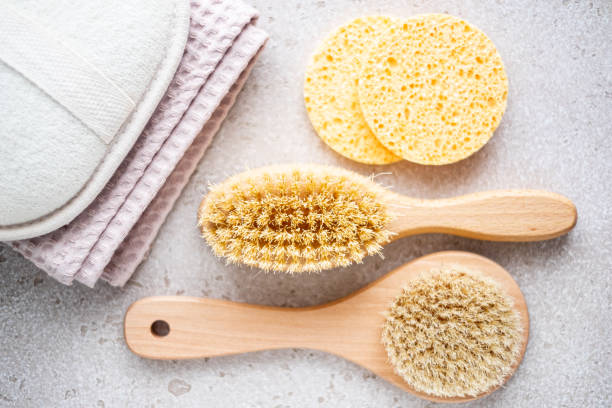
The quest for smooth, radiant skin has led to a proliferation of at-home skincare tools, with facial cleansing
brushes becoming a common fixture on many bathroom counters. Their promise of deep cleansing and gentle exfoliation presents an appealing, cost-effective alternative to regular professional facials. However, while facial
brushes are an excellent supplementary tool, they cannot fully replicate the comprehensive, customized, and therapeutic benefits of a professional exfoliation treatment administered by a skilled esthetician.On the surface, the comparison seems valid. Both methods aim to remove dead skin cells from the stratum corneum, the skin’s outermost layer. Modern facial brushes, whether sonic or rotating, offer a mechanical form of exfoliation. They can effectively dislodge surface debris, unclog pores to a degree, and promote a temporary glow by enhancing skin cell turnover. For daily or weekly maintenance, they provide a consistent and convenient level of cleansing that surpasses manual washing with hands alone. This regular upkeep can help prevent the buildup that leads to dullness and minor breakouts, making them a valuable asset in a proactive skincare regimen.Yet, this is where the equivalence ends. Professional exfoliation, whether through a classic facial, chemical peel, or microdermabrasion, operates on a different level of depth, customization, and intent. Firstly, the exfoliation itself is more potent and targeted. A professional uses clinical-grade
tools and formulations—such as alpha hydroxy acids (AHAs), beta hydroxy acids (BHAs), or enzymatic peels—that work at a biochemical level to dissolve the bonds between dead cells. This can achieve a more uniform and deeper exfoliation than a brush, which only works on the very surface. For concerns like hyperpigmentation, fine lines, or stubborn congestion, this deeper action is crucial for delivering visible, lasting results.The most significant distinction lies in the professional’s expertise and the holistic nature of the service. A facial is not merely exfoliation; it is a diagnostic and therapeutic process. A trained esthetician begins with a thorough skin analysis, assessing hydration levels, sensitivity, and underlying conditions invisible to the untrained eye. They then tailor every step—from the type of exfoliant and its concentration to the massage technique and finishing mask—to your skin’s precise needs on that specific day. This customization mitigates risk; while an at-home brush user might over-exfoliate, causing micro-tears or barrier compromise, a professional adjusts pressure and product strength to exfoliate safely and effectively.Furthermore, the professional environment allows for procedures that are impossible at home. This includes expert extractions, which safely clear deeply impacted pores without scarring, and the use of advanced modalities like high-frequency or LED light therapy to soothe and treat the skin post-exfoliation. The manual lymphatic drainage and massage included in a facial improve circulation and product penetration in ways a spinning brush cannot. Ultimately, a facial is a treatment, while brushing is primarily a cleansing act.In conclusion, framing facial
brushes as a replacement for professional exfoliation is an oversimplification. A facial brush is best understood as a maintenance tool for between professional visits, helping to keep the skin clean and lightly polished. It manages daily buildup but cannot address deeper epidermal concerns or provide a therapeutic, customized treatment. For sustained skin health, transformation, and addressing specific issues, the knowledge, advanced technology, and personalized approach of a professional remain irreplaceable. The most effective skincare strategy is a synergistic one: leveraging the consistent care of at-home
tools while investing in periodic professional treatments to guide the skin’s overall journey toward its optimal state.