You know that feeling when you smile in the mirror and notice fine little crisscross lines on your cheeks that vanish a minute later? Those aren’t wrinkles. They’re dehydration lines, and they’re basically your skin’s way of saying, “I need a drink, and I need it now.“ If you’ve been slathering on rich creams and still wake up with that tight, crepey look around your eyes, you might be treating the wrong problem. Dry skin and dehydrated skin are two different animals, and mixing them up is why half of your bathroom shelf isn’t pulling its weight.
Think of dry skin as a complexion that doesn’t produce enough oil. It’s a type, like naturally curly hair or a freckle situation. You’re born with it, and it tends to feel rough, flaky, or itchy even after cleansing. Dehydrated skin, on the other hand, is a temporary condition. It’s a lack of water in the top layers of your skin, not a lack of oil. You can have oily skin and still be dehydrated. In fact, the classic sign is skin that looks dull, feels tight, and shows those fine little lines when you pinch or smile—lines that disappear when you properly hydrate. If that sounds familiar, you’re not losing collagen. You’re losing water, and that’s a fixable daily problem, not a lifelong sentence.
The sneaky part is that dehydration lines love to masquerade as early aging. You’ll notice them around your eyes, between your brows, and along your cheeks, especially in the afternoon or after a night of questionable sleep. They’re like those temporary creases you get from sleeping on a wrinkled pillowcase, but on a slower burn. The good news? Because they’re not structural wrinkles, you can smooth them out in a week or two by changing how you treat your skin. The bad news? If you ignore them, the constant tugging and dryness can crinkle the surface enough that they eventually become real wrinkles. So think of dehydration lines as a warning alert, not a verdict.
What actually causes water to escape your skin? Mostly your habits, not your genes. Harsh bar soaps and foaming cleansers with that extra squeaky finish strip away the protective layer that keeps moisture locked in. Hot showers feel amazing, but they also open the floodgates. Alcohol-based toners, certain acne treatments, and even the dry air from indoor heating or air conditioning all pull water straight off your face. And yes, drinking three cups of coffee before noon and not enough water is a factor, but not because you’re “from the inside out” in some mystical way. It’s simpler: your body doesn’t have enough water to send to your skin when you’re consistently running low.
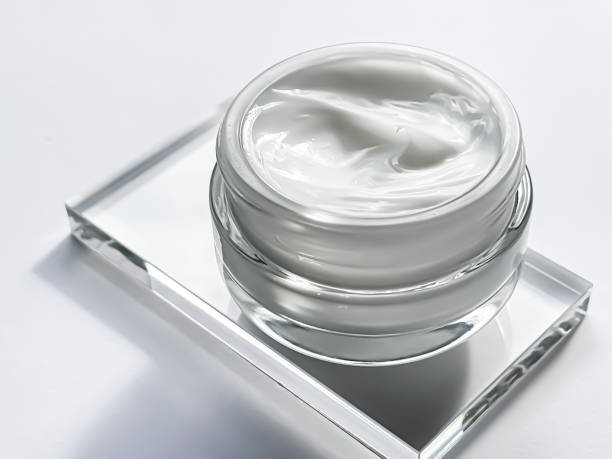
So what’s the fix? Stop thinking of moisturizer as a simple cream and start thinking of it as a two-step system. First, you need something that pulls water into the skin. Look for words like hyaluronic acid or glycerin, which you can think of as tiny magnets that grab moisture from the air and hold it. Apply this to damp skin—not towel-dried skin, but slightly-wet skin—so the magnets have water to latch onto. Then, you need a barrier sealer. That’s the richer, creamier layer with ingredients like shea butter, squalane, or simple oils like jojoba. This isn’t for feeding your skin; it’s for putting a lid on the pot so the moisture doesn’t evaporate into your bedroom. Skip either step and you’re either sealing nothing or letting everything escape.
Also, take a hard look at your cleanser. If it leaves your face feeling tight, like you’ve just washed a delicate dish with extra-strength detergent, it’s too stripping for your skin right now. Switch to a gentle cream or milk cleanser that doesn’t foam. Warm water, not hot. Pat your face dry instead of rubbing. And here’s the kicker: apply that hydrating layer within sixty seconds of stepping out of the shower. That’s when your skin is most receptive, and it’s honestly the easiest habit you’ll ever build. You don’t need a ten-step routine. You need the right three steps in the right order.
One more thing that helps way more than you’d think: a humidifier in your bedroom, especially in winter or if you live in a dry climate. Your skin loses a ton of water while you sleep, and adding some moisture to the air gives your skin a fighting chance. Drink water when you’re thirsty, but don’t obsess over eight glasses. Eat water-rich foods like cucumbers, watermelon, and oranges—they’re basically edible hydration with a bonus of vitamins. And go easy on the exfoliation. When your skin is dehydrated, it’s already compromised. Scrubbing it or using strong acids will only make the lines deeper and the tightness worse. Give your skin two weeks of gentle care and consistent moisture, and then reassess. Those little lines should start to smooth out like a wrinkled shirt that’s finally been steamed.
Here’s your takeaway sentence: you don’t have a wrinkle problem. You have a water retention problem, and that’s awesome because it’s completely in your control. Look at your routine like a buddy who’s trying to help you out, not a punishment. Your skin isn’t broken. It’s just thirsty. Quench it properly, seal it up, and those sneaky dehydration lines will back off before they ever get a chance to settle in for good.