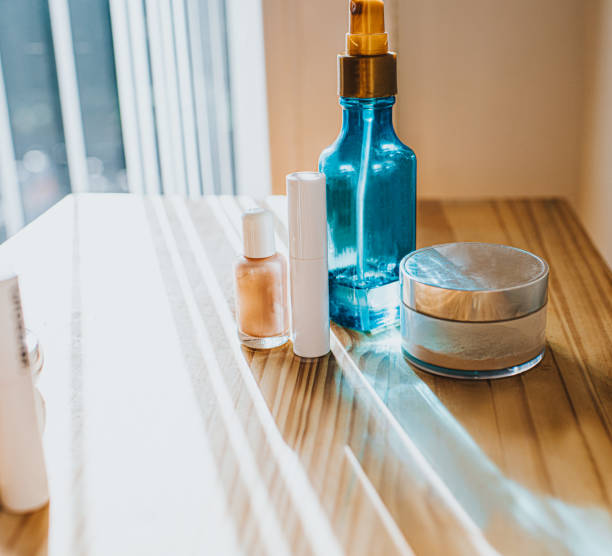
Combination skin can feel like living with two roommates who never agree. Your forehead, nose, and chin might shine by noon while your cheeks feel tight, rough, or even flaky. That’s not a flaw, and it’s not a sign that your skin is “confused.” It’s just different zones with different needs. The trick isn’t finding one miracle product that somehow does everything. It’s learning to give each zone what it wants without letting one boss the other.
Most women with combination skin make one of two mistakes. They buy a full routine for oily skin, then wonder why their cheeks feel dry and irritated. Or they buy rich creams for dry skin, then wonder why their T-zone is suddenly breaking out. You don’t need to choose a side. You need a split routine. Think of it as two small skincare plans living happily on one face.
Start with cleansing. A gentle, creamy cleanser in the morning is enough for most combination skin. If your T-zone feels slick, you can use a mild foaming cleanser only there, but keep it away from your cheeks if they tend to feel tight. Use lukewarm water, not hot. Hot water strips the cheeks and can make oily areas produce even more oil. At night, if you wore sunscreen and makeup, remove it first with a soft wipe or a cleansing balm, then wash. Don’t scrub hard. The goal is comfortable skin, not squeaky skin.
Moisturizer is where the split really matters. On your oily zones, use a lightweight lotion or gel cream. It hydrates without leaving a heavy film. On your cheeks, use a richer cream or press in a little extra moisture where you need it. If your cheeks are only slightly dry, one medium-weight moisturizer might work all over. But if you see shine and flakes at the same time, two products are your friend. You are not being high-maintenance. You are being precise.
Sunscreen every morning, no exceptions. For combination skin, look for a lightweight formula that doesn’t feel greasy. You can use a matte finish on your T-zone and a hydrating formula on your cheeks. Or use one sheer sunscreen all over and pat a little translucent powder on your oily areas. This is not vanity. It’s the single best way to prevent wrinkles, dark spots, and rough texture over time. You already know that, but it bears repeating.
Exfoliation needs restraint. Combination skin can get congested in the T-zone and flaky on the cheeks. Don’t attack both with a harsh scrub. Once or twice a week, use a gentle exfoliating liquid or a soft cleansing cloth. If your cheeks are sensitive, skip them or go every other week. If your T-zone is congested, focus there. More is not better. Over-exfoliating makes oily areas produce more oil and dry areas even drier. Your skin likes consistency, not punishment.
Masks are a great way to multitask. Once a week, put a clay mask only on your forehead, nose, and chin. Put a hydrating mask on your cheeks. Leave them both for the time on the label, then rinse. You’ll get oil control where you need it and moisture where you need it. This one habit makes combination skin feel less complicated. It also feels a little luxurious, which never hurts.
Makeup can help or hurt. A heavy foundation all over can slide off your T-zone and cling to dry patches. Instead, start with a blurring primer only where you get shiny. Use a light coverage foundation or tinted moisturizer everywhere. Set your T-zone with a small amount of powder. Leave your cheeks alone or use a cream blush. Blotting papers are your best midday friend. Press, don’t rub. That keeps your makeup from breaking apart while your skin stays comfortable.
Watch for seasonal shifts. In summer, your oily zones may need more cleansing and less cream. In winter, your cheeks may need a thicker moisturizer and your T-zone may calm down. Your routine should change with the weather, not stay frozen. Stress and lack of sleep can also make oil and dryness worse. Drink water, get sleep, and don’t pick. That’s not new-age advice. It’s just basic maintenance.
Give any new routine two to three weeks. Skin doesn’t change overnight. If your cheeks feel tight after cleansing, your cleanser is too strong. If your T-zone looks greasy an hour after moisturizer, that product is too heavy for that zone. Adjust one thing at a time. You don’t need to throw out everything and start over. You just need to pay attention.
Combination skin is not a problem to fix. It’s a map. Once you stop treating your whole face the same, you stop fighting yourself. You can have a calm forehead, comfortable cheeks, and a routine that actually makes sense. That’s not complicated. It’s just smart.