You’ve got eight hours of flights, a hotel room that smells like air freshener, and a bizarrely tiny sink to work with. Meanwhile your carefully curated shelf of toners, essences, and overnight masks is sitting at home, judging you from the bathroom cabinet. Here’s the truth: your skin doesn’t need all that while you’re on the move. It needs three things done consistently, not perfectly. When you strip your routine down to the essentials, travel stops being a disruption and starts being a chance to reset bad habits.
The first step is cleansing, but let’s be realistic about what your sink looks like. You’re not going to do a double cleanse and a 60-second facial massage in a bathroom lit like a interrogation room. So swap your go-to creamy cleanser for a micellar water or a no-rinse gel cleanser. These are smart because they don’t require perfect water temperature or a flannel the size of a napkin. You can soak a cotton pad, wipe down your face, and move on. And when you land somewhere dusty or humid, that quick clean prevents pores from clogging before you even think about moisturizer. If you’re prone to breakouts after travel, this is often the missing piece—you get lazy, fall asleep with sunscreen on, and wake up with three tiny new friends. The fix isn’t a stronger acid later; it’s just wiping your face before you crash.
Step two is hydration, but not the kind that comes in a jar so heavy it counts as your carry-on liquid allowance. Instead of layering a serum, a cream, and a face oil, pack one well-formulated hydrating serum or moisturizer that does double duty. Look for something with hyaluronic acid or squalane, because those ingredients pull water into your skin without feeling sticky. Here’s the trick: apply it on slightly damp skin. That’s it. A little splash of tap water (or even that bottle you bought at the airport, no one’s judging) gives the product something to lock in. Doing this morning and night keeps your moisture barrier calm, whether you’re going from an arid desert to a tropical island or just from your office to a conference room that’s cranked to arctic temps. You don’t need a separate eye cream either. Your moisturizer is fine for that area—just tap a tiny extra amount under your eyes with your ring finger.
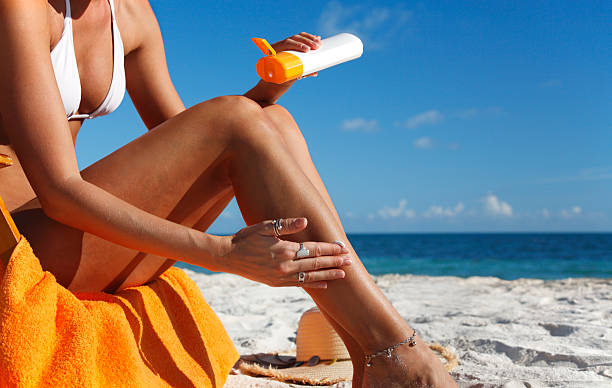
The third and non-negotiable step is sun protection. This is where travel routines fall apart, because people think sunscreen is optional on a rainy Tuesday in a new city or when you’re just dashing from a cab to a museum. Wrong. Your skin is already stressed by recycled airplane air, disrupted sleep, and changes in water hardness. The last thing it needs is extra UV damage. Pick a sunscreen that’s at least SPF 30 and label it as “face-friendly,” meaning it doesn’t pill or leave a ghostly cast. Better yet, choose a formula that’s also a moisturizer, so you can combine steps two and three into one quick swipe. Apply the same amount you would at home—two fingers’ worth—and reapply if you’re spending hours outdoors. If you’re not reapplying, at least wear a hat or stay in the shade during peak sun. This isn’t about paranoia; it’s about preventing wrinkles, which is exactly why you have a skincare routine in the first place.
Now, adapt those three steps to where you actually are. In a humid city, your moisturizer can be a lighter gel, and you might skip the sunscreen’s extra hydration. In a dry, high-altitude place, you’ll want a richer cream and possibly a thin layer of Vaseline around your nose and lips before bed. And yes, you can bring a travel-sized version of your home products, but don’t stress if you forgot something. A cold bottle of water, a tissue for blotting, and even a slice of cucumber from the hotel snack bar can do in a pinch. What matters is consistency, not brand loyalty.
Also, give yourself a grace period for jet lag. Your skin’s circadian rhythm is off, so it may look duller or puffier for a day or two. That’s normal. Don’t react by slapping on five exfoliants or a clay mask at 3 a.m. instead, stick to your three steps, drink water, and get sunlight in the morning to help reset your internal clock. Sleep on your back with an extra pillow if you can, not because it’s a beauty trick, but because gravity is less mean to your face that way.
Travel isn’t a reason to abandon your skin—it’s a reminder that you don’t need a chemistry lab to keep your face healthy. Cleanse. Moisturize. Protect. Do that consistently, and you’ll come home with the same skin you left with, plus some nice souvenirs. Everything else is just extras you can enjoy when you’re back in your own bathroom.