Under-eye puffiness is not a mystery. It is usually a mix of fluid, fat, skin, and genetics. When you wake up and see two little pillows under your eyes, your face is not betraying you. It is doing normal face things. The goal is not to erase every shadow or bag. The goal is to understand your triggers and build a routine that keeps the area looking awake, smooth, and even.
Start with last night. If you slept flat on your back, fluid can pool under your eyes. Stomach sleeping may leave you less puffy but more creased. A slightly elevated pillow can help. So can sleeping on your back, though that takes practice. A salty dinner, a couple of drinks, or a cry before bed can show up in the mirror. So can hormones. Around your period, your body may hold more water, and your under-eyes may look heavier. That is temporary.
Morning rescue is mostly about cold and calm. A chilled spoon, a cold roller, or a cool compress for a few minutes can shrink the look of puffiness. Keep the compress on for no more than five minutes; longer is not better, and ice directly on skin can sting. Caffeine eye creams can tighten for a while. Use your ring finger and tap, do not rub. The skin under your eyes is thin. Dragging it can break tiny vessels and make dark circles worse. If allergies make you rub your eyes, keep hands off and treat the allergy. Rubbing is the enemy of a rested look.
Over time, ingredients matter. Caffeine gives a quick de-puffed look. Vitamin C can brighten dark shadows. Hyaluronic acid and ceramides help hold moisture. Niacinamide can support the skin barrier. Peptides are fine if your skin likes them. Retinol can help with fine lines, but the under-eye area is sensitive. Start slowly, maybe once or twice a week, and buffer with moisturizer. If it stings, back off. Sunscreen is not optional. UV exposure breaks down collagen and elastin, which makes skin thinner and hollows more obvious. Wear SPF every day, even when it is cloudy. Add sunglasses. They protect the skin and stop you from squinting.
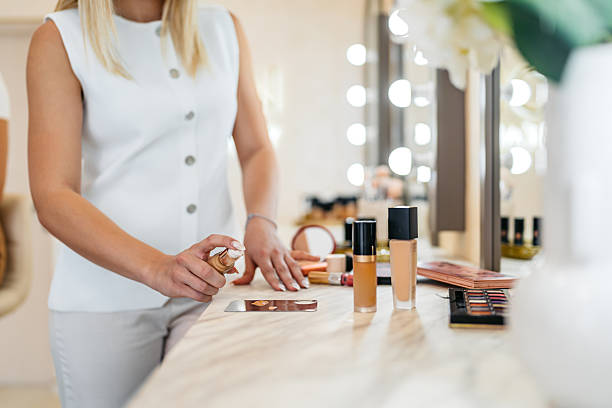
Makeup can be a great shortcut. A peach or salmon color corrector cancels blue and purple shadows. Then use a creamy concealer that matches your skin, not one that is much lighter. Lighter concealer can highlight puffiness instead of hiding it. Set with a tiny bit of powder only where you crease. Heavy powder makes dry skin look drier and fine lines look deeper. Skip shimmer under the eyes. Satin or matte finishes are more forgiving. Curl your lashes and fill your brows. Lifting attention upward makes the whole face look more awake.
Not all under-eye bags are puffiness. Some are fat pads that sit there no matter how much you sleep or how little salt you eat. Some are genetic. Some are from bone structure and skin thinning. No cream will remove a fat pad. If you have persistent bags that bother you, a dermatologist or skin professional can tell you what you are actually dealing with. In-office treatments exist, but they are not the first step. Start with sleep, salt, cold, sunscreen, and a gentle routine. If puffiness comes on suddenly, hurts, or shows up on one side only, see a doctor. That is not a beauty problem.
Your daily routine should be simple enough to repeat. In the morning, cleanse, apply a caffeine eye cream if you like, moisturize, and wear SPF. In the evening, remove makeup gently, use a hydrating eye cream, and get to bed. Sleep on your back if you can. Change your pillowcase often. Keep alcohol and salty food reasonable. Drink water through the day, not just at night. Be patient. Under-eye skin changes with age, and you cannot stop time. But you can keep it healthy. The best under-eye routine is the one you actually do, not the one that promises a new face. Consistency beats intensity, especially with thin skin. Aim for rested, not perfect. That is a look that works at every age.