You know that feeling when you’ve been out in the cold wind for an hour, and your face feels tight and a little raw? That’s your skin waving a tiny white flag. Now imagine that sensation happening more often, even when you’re just sitting in your living room. That’s what the fifties can bring. It’s not your imagination, and it’s not a punishment. It’s just that your skin’s protective outer layer—the one that keeps moisture in and irritants out—is getting thinner and slower to repair. Think of it like a raincoat that’s been through a few hundred washes. The water resistance fades, and your skin starts to lose water faster than it can pull it back in.
The good news? You can absolutely give that raincoat a fresh coat of waterproofing. The secret isn’t just slapping on more moisturizer. It’s about understanding that your fifties call for a different kind of hydration strategy, one that’s focused on rebuilding that barrier rather than just topping it off. Your skin in your fifties is still beautiful and capable. It just needs a little more backup.
Let’s talk about what actually happens. In your teens and twenties, your skin was a self-sufficient little machine. It produced oil, held onto water, and bounced back from late nights like it had a personal grudge against fatigue. By your fifties, estrogen levels drop, and that oil production slows way down. Less oil means the layer of lipids between your skin cells starts to look like a brick wall missing some mortar. Water slips out through the gaps, and that’s why you might feel dry even if you’re drinking plenty of water. Drinking water matters, but it’s not enough. You need to help your skin hold that water in, not just send it to the surface.
That’s where barrier support comes in. But don’t let the word “barrier” intimidate you. Think of it as a bouncer at a club. You want a bouncer who lets the good guys in—like moisture and soothing ingredients—and keeps out the troublemakers like pollution, wind, and harsh cleansers. To do that, you need a few specific kinds of products in your routine.
First, look for a richer moisturizer than you used in your forties. If you’ve been getting away with a lightweight gel, it’s time to upgrade to something with a creamier texture. Ingredients like shea butter, squalane, and jojoba oil are your friends. They mimic the natural oils your skin used to make, so they don’t just sit on top—they sink in and help patch up that weakened barrier. And here’s a pro tip: apply your moisturizer while your skin is still slightly damp. Right after cleansing, pat your face dry just until it’s not dripping, then smooth on your cream. That extra bit of water on the surface gets pulled into your skin along with the moisturizer. It’s like a two-for-one hydration deal.
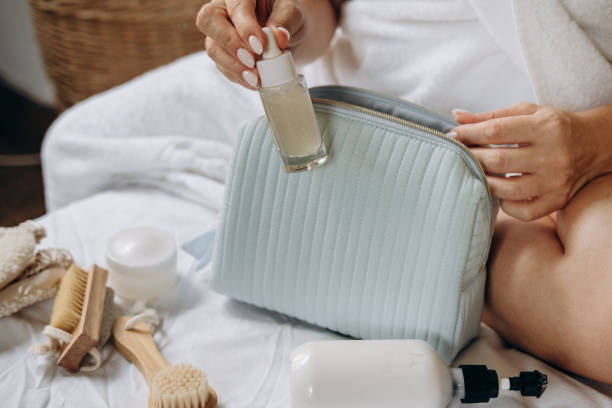
Second, don’t skip a hydrating serum. Yes, you need the cream, but a serum with ingredients like hyaluronic acid or glycerin acts like a pre-moisturizer. It draws water into the top layers of your skin, and then your cream locks that water in. Layer them: serum first, then moisturizer. Think of the serum as the water jug and the moisturizer as the lid. If you just use the lid, there’s nothing to hold in. If you just use the jug, everything spills out.
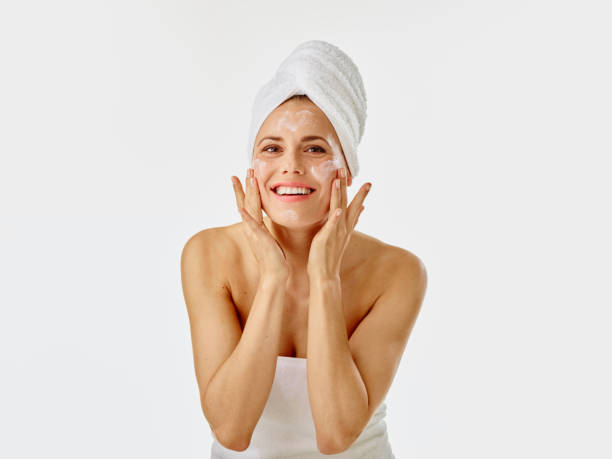
Third, and this is the one most people overlook: be gentler when you wash your face. Foaming cleansers that make that satisfying lather can strip away the little bits of oil your skin does have. In your fifties, switch to a cream or milk cleanser that feels more like lotion. Your skin shouldn’t feel squeaky clean after washing. It should feel soft and calm, like you just used a gentle makeup remover. And try washing with lukewarm water instead of hot. Hot water feels good in the moment, but it damages that fragile barrier even more.
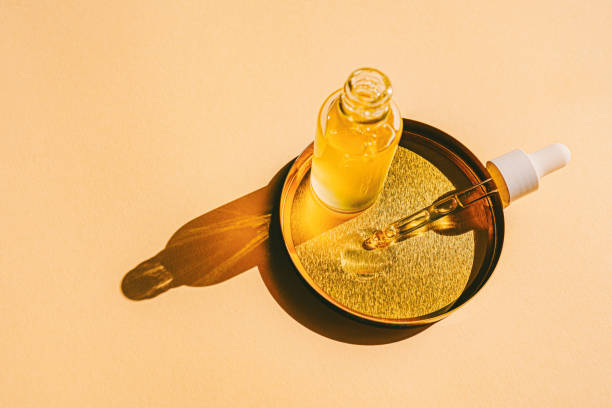
You might also want to think about a facial oil at night. A few drops of marula or rosehip oil pressed over your moisturizer can make a huge difference, especially in dry climates or during winter. This extra occlusive layer works like a blanket, trapping moisture overnight. Wake up with skin that feels plumper and more comfortable.
One more thing: exfoliation. In your fifties, your cell turnover slows down, so dead skin and tired flakes can build up and make your moisturizer less effective. But skip the harsh scrubs with crushed particles. Instead, use a gentle chemical exfoliator with something like lactic acid or mandelic acid a couple of times a week. It’ll help sweep away that dull layer without disrupting your barrier. Your skin will look brighter and your moisturizer will work harder.
The big shift isn’t about spending a fortune on fancy creams. It’s about being more intentional. Listen to what your skin tells you. If it feels tight by noon, that’s a sign you need to layer more. If your foundation settles into flakes, that’s a cry for barrier help. You have decades of wisdom already—now you’re just adding a few new tricks. Your fifties are a time to treat your skin like the valuable, hardworking organ it is. With a little extra moisture and a serious focus on barrier support, you’ll see a difference that goes beyond your reflection. You’ll feel it in how your skin moves, breathes, and stays comfortable all day. That’s not a losing battle. That’s a new chapter.