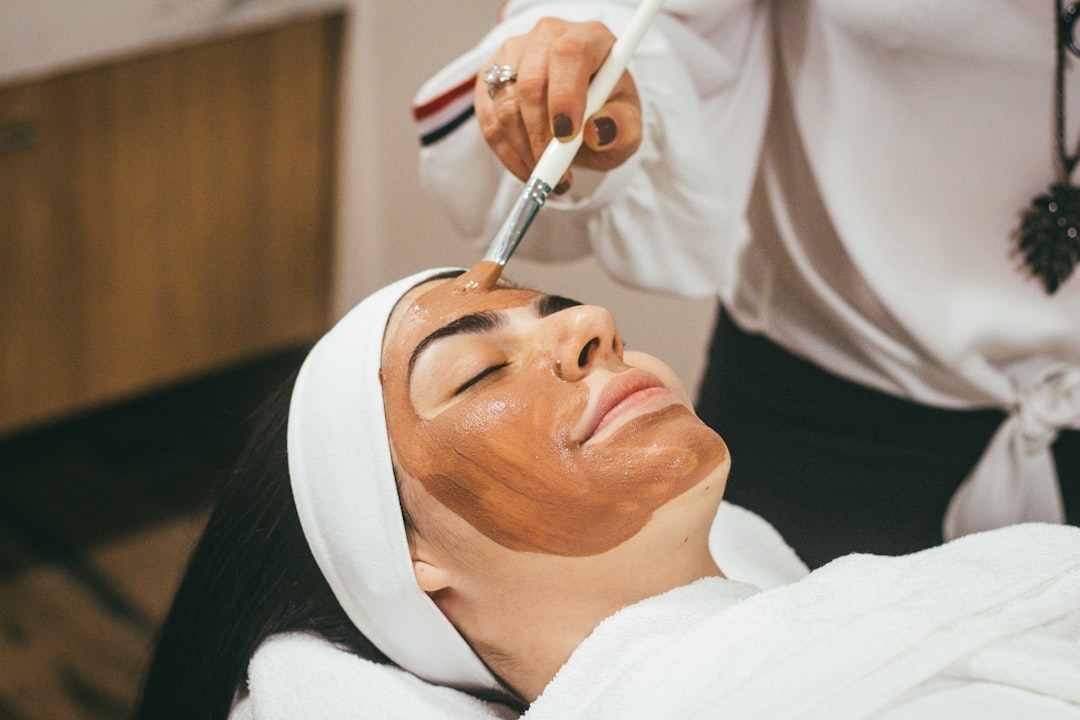
You’ve got your face routine down. Cleanser, serum, moisturizer, SPF. You swipe, pat, and smooth every morning and night, and you’ve started seeing the payoff. But here’s the thing—your neck and chest have been quietly aging the whole time. They don’t get the same love, yet they’re some of the first places to show fine lines, crepey texture, and sunspots. The irony? You probably already own everything you need to fix it. The secret isn’t buying ten new products. It’s choosing the right ones from what’s in your cabinet and actually bringing them down a few inches.
Why do these areas give up so easily? For starters, the skin on your neck and chest is thinner than the skin on your face, and it has fewer oil glands to keep it plump and lubricated. Add in years of looking down at your phone, sleeping with your chin tucked, and going bra-less under that V-neck top without sun protection, and you’ve got a recipe for premature lines. The good news is that you don’t need a fancy cream labeled “neck formula” to turn things around. That’s mostly marketing. What you need is a smart selection strategy using products you already trust.
Let’s talk about the day shift. Your face moisturizer with SPF is your best friend here. But if you’re only applying it to your jawline and stopping, you’re missing a huge vulnerable zone. Look for a moisturizer or sunscreen that lists “broad-spectrum” on the label—that means it shields you from both UVA and UVB rays, the ones that cause aging and burning. Choose one with at least SPF 30. Slather it on your neck, your chest, and even the small scoop of skin above your collarbone. Do this every single morning, rain or shine. If you’re already using a separate serum with vitamin C during the day, bring that down to your chest too. Vitamin C is a brightener and a worker that helps fade sunspots and even out tone. No need to buy a pricier body version. Just a few drops from your face bottle, pressed into your collarbone area, and you’re set.
For the evening, this is where you can get a little more serious. Retinol is the gold standard for smoothing fine lines, but it’s also a tricky customer. If you’ve never used it below your chin, start slow. Your neck skin is more sensitive than your face, so swelling or peeling is a possibility if you go overboard. A smart approach: on nights when you apply retinol to your face, use only the tiniest pea-sized amount on your neck and chest. Rub your hands together to warm it, then press it gently upward, not back and forth. Alternatively, you can skip the retinol on your neck and instead use a moisturizer with peptides. Peptides are like little cheerleaders for your skin—they encourage it to look plumper and firmer over time. They’re gentler than retinol and perfect for sensitive chest skin.
Speaking of sensitive, the skin on your chest can react to heavy fragrances and alcohol-laden products. When you’re shopping for a moisturizer to share between face and body, flip the bottle over and glance at the ingredient list. If you see “parfum” or “fragrance” near the top, put it back. Instead, look for things like hyaluronic acid, which pulls in water and keeps your skin looking dewy, or ceramides, which help lock that moisture in. A cream that comes in a squeeze tube or a pump is your friend too—your fingers don’t go diving into the formula, so you’re not introducing bacteria that could cause breakouts.
Now let’s talk about technique, because it matters almost as much as the product. You don’t rub your neck like you’re kneading dough. That dragging motion can actually encourage lines over time. The smarter move is to use light pressure and work upward. Start at your collarbone and sweep your fingers up the sides of your neck, then across your chest from the center outward. If your skin feels sticky or tacky, that’s a sign you’ve applied too much. A thin, even layer is all you need. And one more golden rule: always apply these products while your skin is still slightly damp from washing. That dampness helps the active ingredients sink in better, so you get more bang for your buck.
Does this mean you need to add fifteen minutes to your routine? Not at all. You’re literally using the same two or three products you already own, just extending the area you apply them to. Think of it as a ninety-second addition to your morning and evening rituals. If you’re someone who likes a little extra pampering, you can keep a travel-size bottle of your favorite face lotion in your shower to use right after your body wash. That single tip has saved more chests than many fancy spa creams ever could.
Here’s the bottom line: your face isn’t the only thing that tells your age. Your neck and chest are loud, but they don’t have to be. With a little deliberate product selection and a downward glance at your skincare routine, you’re not just preventing wrinkles—you’re setting up a future where every part of you looks as cared for as the face you see in the mirror. So tonight, when you finish your face cream, let your hands drift a little lower. That’s the kind of smart move that pays off silently, year after year.