You’ve probably noticed the word “peptides” popping up on everything from serums to night creams, right next to promises about firmer skin and fewer laugh lines. But what do they actually do? And are they worth the extra money you’d drop at the pharmacy counter? The short answer: yes, if you know what you’re buying. Let’s break this down like a friend who’s already read the ingredient labels so you don’t have to.
Think of your skin’s collagen as the mattress springs that keep everything smooth and lifted. Over time, those springs get worn down—sun exposure, stress, late nights, and just plain aging all take a toll. Once collagen starts breaking, your skin loses that bounce. That’s where peptides come in. Peptides are basically tiny fragments of protein. They’re small enough to slip into the outer layers of your skin, and then they do something pretty clever: they send a little signal to your skin cells, nudging them to produce more collagen. Imagine your skin getting a text message that says, “Hey, we’re running low on support—let’s build more.” That’s peptides at work.
Now, why not just smear collagen cream on your face? Because collagen molecules are too big to actually penetrate the skin. You’ll get a nice, hydrating film on top, but it won’t change the structure underneath. Peptides, being smaller, can actually get down to where the magic happens. That’s their superpower. So when you see a serum with peptides, you’re not just moisturizing—you’re giving your skin a tool to repair itself.
Here’s the thing, though. Not all peptide products are created equal. Some have really low concentrations that won’t do much beyond making you feel fancy. Look for products that list specific peptides near the top of the ingredient list, like acetyl hexapeptide-8 (the one you’ll hear called “Botox in a bottle” because it relaxes expression lines) or copper peptides, which are great for supporting skin repair. You don’t need to memorize all the names, but if a product just says “peptide complex” and doesn’t back it up with specifics, you might want to keep looking. Good brands will tell you exactly which peptides you’re getting and what they’re for.
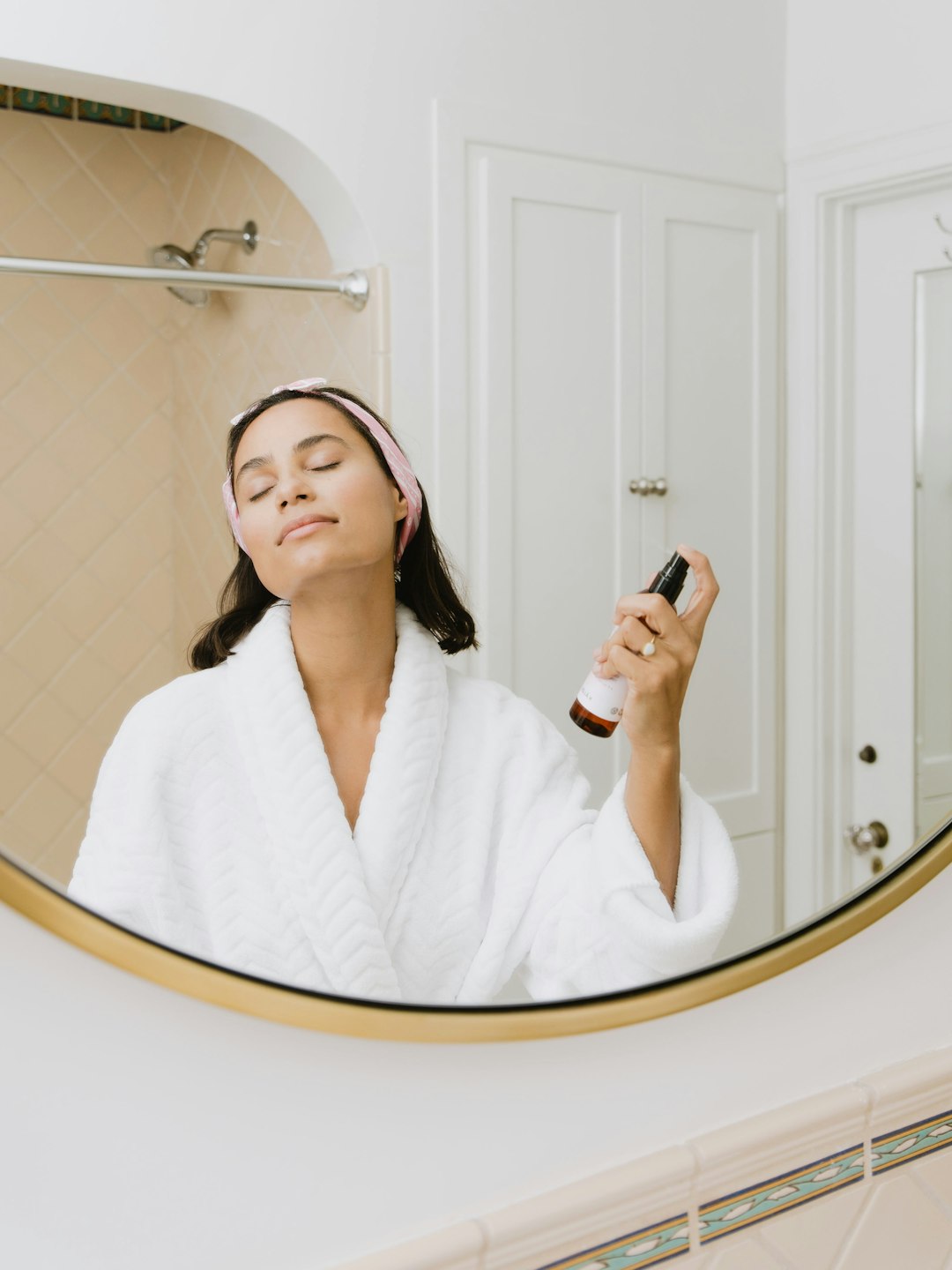
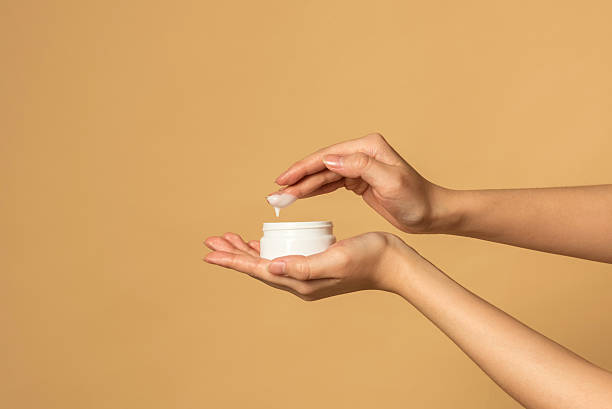
Where do peptides fit into your routine? Simple. Cleanse your face, pat it dry, then apply your peptide serum before your moisturizer. Why before? Because the peptides need to reach the skin without a thick cream blocking their path. A few drops pressed gently into your skin is perfect. Then layer your regular moisturizer on top to lock everything in. If you use other actives like vitamin C or retinol, you can still use peptides—just either alternate mornings and evenings or layer them properly. A good rule of thumb: vitamin C in the morning, peptides at night, retinol on certain nights if your skin tolerates it. But honestly, peptides play well with almost everything. They’re the low-maintenance friend in your skincare routine.
One big mistake people make is expecting overnight results. Peptides are not a magic eraser. They’re more like a gym membership for your skin—you have to show up consistently. Most studies show visible improvements in firmness and fine lines after about 8 to 12 weeks of twice-daily use. So if you’re about to buy a peptide product, commit to using it for at least three months before you decide if it’s working. And don’t skip the sunscreen. You can slather on the best peptide serum in the world, but if you’re baking in the sun without protection, you’re undoing all that hard work. UV rays are the number one cause of collagen breakdown, so SPF is non-negotiable.
Peptides are also fantastic for women in their 30s and 40s who aren’t quite ready for heavier treatments like retinoids or in-office procedures. They give you a proactive way to support your skin’s natural collagen without irritation or downtime. And because peptides are generally gentle, they work for nearly every skin type—dry, oily, sensitive, you name it. That’s rare in the active ingredients world.
Here’s the bottom line. If you want firmer, more supple skin and you’re tired of wasting money on products that promise the moon but deliver nothing, peptides deserve a spot on your shelf. They’re smart, science-backed, and actually approachable. Just check the label for real peptide names, use them consistently, and always pair them with sunscreen. Your future skin will thank you—and so will your wallet. Because in a world of overpriced creams and impossible promises, peptides are one of the few things that actually live up to the hype.