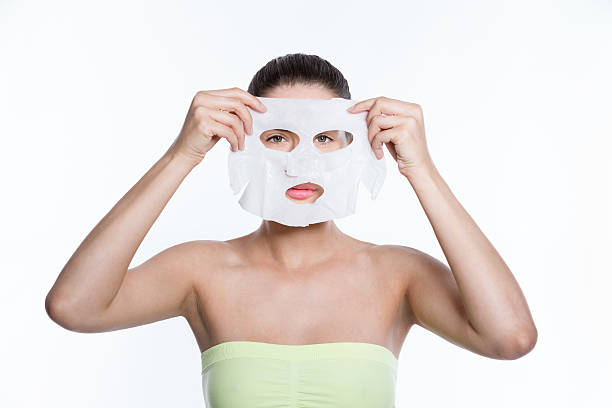
You know the routine: cleanse, moisturize, and by mid-afternoon your cheeks feel tight and those fine lines around your eyes and mouth look sharper than they did in the morning. That doesn’t mean your moisturizer is useless. It usually means you’re dealing with two different issues at once. Dry skin lacks oil. Dehydrated skin lacks water. Most creams try to handle both, but when skin is dry and thirsty, one layer of product often isn’t enough to keep it comfortable or to soften dehydration lines. If your skin feels tight by lunch, that’s your cue to adjust the routine, not just buy a thicker jar.
Those lines are worth understanding. Dehydration lines are the faint creases that show up when skin is rough, tight, or short on water. They tend to appear around the eyes, cheeks, and mouth, and they look worse in winter, after long flights, or after too much coffee and not enough water. Real wrinkles form over time, but dehydration lines are more like a temporary SOS signal. Plump the skin with water and seal that water in, and they often look less obvious within days. Ignore the cycle of tightness and heavy cream, and the same spots can start to look tired and crepey. This is why a weekend of water, sleep, and a good moisturizer can make your face look suddenly better—it’s not magic, it’s moisture.
The fix starts before moisturizer. If your cleanser leaves your face squeaky, it’s probably too strong. Hot water and foamy washes can strip the oils that keep skin comfortable. Use lukewarm water, choose a creamy or gentle gel cleanser, and skip the morning cleanse if your skin isn’t oily. Pat dry instead of rubbing with a towel. If your face feels tight before you’ve even applied moisturizer, your cleanser is doing too much. If you wear makeup, choose a remover that doesn’t leave your face burning or tight; that’s another clue your skin is asking for a softer touch.
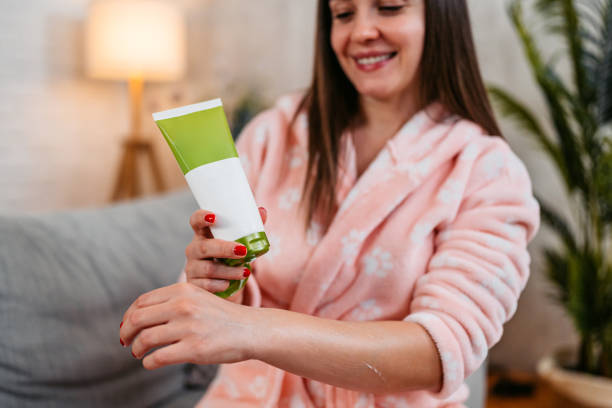
Then change how you moisturize. Apply your first layer to damp skin, within a minute of cleansing. Water-rich lotions and serums go on first, then a cream to hold that moisture in place. On very dry patches, finish with a thin balm or face oil at night. Look for simple water-binding ingredients like glycerin, plus creams that support your skin’s natural oils. You don’t need ten steps. You need the right order and a little patience. A cream applied to bone-dry skin has to work harder and often just sits on top. And don’t forget your neck; it dries out just like your cheeks and shows dehydration lines quickly.
Your environment matters more than you think. Indoor heat, air conditioning, long hot showers, and alcohol-heavy toners all pull moisture from your skin. A humidifier in the bedroom can make a real difference in winter. Keep the air from blowing directly on your face at night, and don’t crank the heat higher than you need. Sunscreen is nonnegotiable, even on gray days, because sun damage makes fine lines look deeper and breaks down the skin’s support over time. If you love a facial mist, fine, but seal it with cream afterward. Water left to evaporate on its own can leave skin feeling drier.
Be careful with exfoliation. When skin is flaky, it’s tempting to scrub until it feels smooth. That usually backfires. Rough scrubs and too many strong treatments can make redness and dehydration lines worse. Keep exfoliation gentle and infrequent, and skip it on days when your skin stings or feels tight. If you use a strong treatment for breakouts, spot-treat instead of covering your whole face, especially in winter. Dryness and breakouts can happen together, but drying out your whole face rarely solves either problem.
Consistency beats novelty. Give a simple routine two to three weeks before you decide it isn’t working. Wash gently, layer moisture on damp skin, seal dry areas at night, protect your skin from sun and indoor heat, and don’t overload it with new products. If your skin stays flaky, itchy, or red despite that, talk to a skin doctor. For most women, though, the answer isn’t a more expensive cream. It’s a smarter routine that gives dry skin oil and dehydrated skin water, then helps both stay put.