You know the feeling. You catch yourself in the car mirror at 3 p.m., and the fine lines around your eyes and mouth seem louder than they did at breakfast. Your skin lost water. That’s the difference between dry skin and dehydrated skin. Dry skin is a type that produces less oil, so it feels rough, flaky, and tight. Dehydrated skin lacks water, even if it’s oily. Dehydration lines are temporary creases that show up when skin is thirsty. They’re not deep wrinkles yet, but ignore them and they can look more permanent. The fix isn’t one miracle cream. It’s a strategy.
Start with cleansing. If your face feels squeaky after washing, your cleanser is too strong. Dry, dehydrated skin needs a creamy or milky cleanser that removes makeup and sunscreen without leaving a tight film. Wash with lukewarm water, not hot. Hot water feels great, but it pulls moisture from your skin and makes redness and flaking worse. If you cleanse twice a day, keep the morning wash gentle. At night, use a cleansing balm or oil first, then a gentle cleanser. You don’t need to scrub. Physical scrubs and strong acids can make dehydration lines more visible. If you love exfoliation, use a soft washcloth or gentle enzyme powder once or twice a week, and only if your skin isn’t stinging.
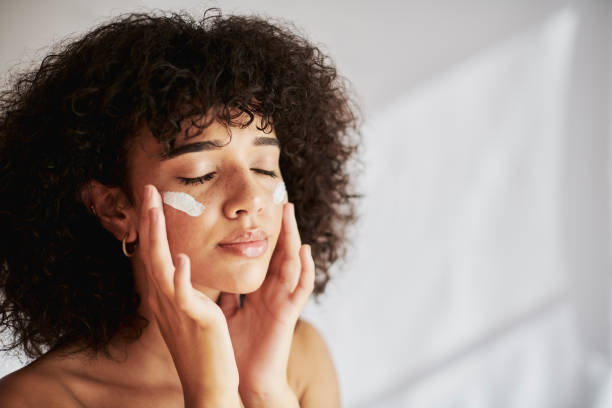
Next, layer water before you seal it. After cleansing, while skin is still slightly wet, press in a hydrating serum or essence. Look for simple ingredients like glycerin, panthenol, or aloe. These attract water and hold it near the surface. Then follow with a moisturizer containing ceramides, squalane, or shea butter. Those create a soft seal so water doesn’t evaporate. If you wait until skin is completely dry to moisturize, you’re sealing in less. Think of it like watering a plant: you water, then add mulch. Your skin works the same way.
The eye area and mouth show dehydration lines first because that skin is thin and moves constantly. Every smile, squint, and sip creates a crease. When skin is plump with water, creases bounce back. When it’s dry, they linger. Use a pea-sized amount of eye cream or richer moisturizer around the eyes, tapping with your ring finger. Don’t rub. For the mouth, don’t forget the corners and laugh lines. Bring your products up and around your lips. If you use lip balm, choose one with sunscreen during the day.
Your environment matters more than you think. Central heat, air conditioning, long flights, and dry climates pull water from skin. A humidifier in your bedroom can make a real difference. Also, stop touching your face. Rubbing your eyes and propping your chin in your hand drags on thin skin. Sleep on your back if you can. A silk pillowcase is nice, but the bigger win is not smashing your face into the pillow for eight hours.
Sun protection is non-negotiable. Sun damage breaks down collagen and elastin, the stuff that keeps skin bouncy. When that support weakens, dehydration lines turn into real wrinkles. Wear broad-spectrum sunscreen every day. Choose a formula you actually like, because the best sunscreen is the one you’ll wear. If your skin is dry, look for a moisturizing sunscreen with glycerin or squalane. Reapply during the day, especially near windows or outside.
Finally, hydrate from the inside, but don’t expect water alone to fix everything. Drinking enough water is good for your body, but it won’t magically plump your face if your skin barrier is damaged. Eat healthy fats like avocado, nuts, and olive oil. They help skin hold onto moisture. Limit alcohol and salty foods, which can leave you puffy and dehydrated. Get consistent sleep. Your skin repairs itself overnight, so a steady bedtime does more than any ten-step routine.
The takeaway is simple. Dryness lines are not a life sentence. They’re a signal. When you treat skin gently, add water, seal it in, and protect it from sun and harsh air, those lines soften. You’ll still have expressions. You’ll still smile. But your skin will look rested, comfortable, and smooth—not because you found a magic cream, but because you built a routine that respects what your skin actually needs.