You already know the drill: eight glasses a day, a giant bottle on your desk, and the vague feeling that if you just sip more, your face will finally look like a dewy Instagram filter. But here’s the thing — water is great for your kidneys, your energy, and your overall health. It’s just not the magical face-fixer we’ve been sold. Your skin’s moisture balance isn’t a simple supply problem. It’s a retention problem, a barrier problem, and a “what you’re actually putting on your face” problem. Smart women know the difference between looking hydrated and actually being hydrated on the inside. Let’s break it down without the lab coats.
Think of your skin like a nice leather handbag. If you carry it in the sun all day, it dries out and cracks. But if you condition it regularly, it stays soft and supple. The leather isn’t thirsty for the water you drink — it needs topical help. Your skin works the same way. The outermost layer, called the stratum corneum (yes, that sounds clinical, but stick with me), is a brick-and-mortar structure made of dead skin cells held together by fats. Those fats act like the grout. When the grout is healthy, moisture stays locked in. When it gets stripped by harsh cleansers, hot showers, or dry indoor air, the bricks loosen and water quickly escapes. That’s why you can chug a gallon and still wake up with tight, flaky patches around your nose. The water you drink goes to your organs first, not your skin’s surface.
So what does internal hydration actually do? It keeps your whole body functioning — and yes, decent hydration helps your skin look plumper, because even the deepest layers need water to maintain structure. But here’s the kicker: skin is last on the list. Your brain, muscles, and blood get first dibs. Only when you’re properly hydrated overall does the excess filter into the dermis, the middle layer. Even then, that water doesn’t magically sit on your face. It evaporates within minutes unless something holds it there. That “something” is your moisture barrier — and that’s where external hydration becomes the real hero.
External moisture isn’t about splashing your face with water. Water alone actually dries skin out, because it evaporates and takes your natural oils with it. You need two types of ingredients to get that balanced, glowing result. First, humectants — things like glycerin, hyaluronic acid, or aloe vera. These act like little magnets, pulling water into the top layers of your skin. Second, emollients and occlusives — think squalane, shea butter, ceramides, or jojoba oil. These form a thin, breathable film that traps the water where it belongs. The secret is to apply them in the right order: humectant on damp skin, then a moisturizer with emollients on top. That’s the “wet then seal” method your favorite beauty YouTuber swears by, and it works because it mimics how your skin naturally holds moisture.
Now, let’s talk about your environment. If you live in a dry climate, blast the AC, or work under fluorescent lights all day, your skin loses water through passive evaporation. This is called transepidermal water loss, or TEWL, but you don’t need to remember that. You just need to know that air is your enemy. A humidifier in your bedroom costs less than a fancy serum and does more for your skin’s moisture balance overnight. Similarly, your shower temperature matters. Hot water feels amazing, but it melts the fats that hold your skin together. Lukewarm is better, even if it’s less spa-like. And do not — I repeat, do not — scrub your face with a rough towel afterward. Pat dry, leave your skin slightly damp, then apply your products.
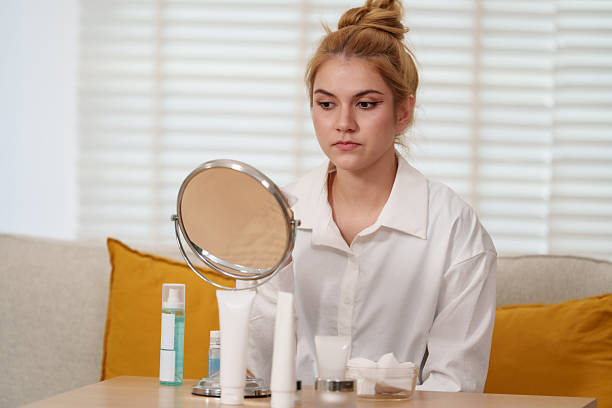
What about drinking water, then? Yes, keep drinking it, but don’t expect a miracle. Instead, pay attention to electrolytes and foods with high water content — cucumbers, watermelon, leafy greens. These help your body hold onto fluids longer, which indirectly supports your skin’s internal moisture. But if you’re already peeing clear, chugging more water isn’t going to add any youthfulness to your face. What will? Consistency. A simple routine where you cleanse gently, apply a humectant to damp skin, follow with a rich moisturizer, and add a humidifier to your sleep space will do more than any eight-glass plan. And if you layer a facial oil over your moisturizer at night, you’re basically giving your barrier a night shift to repair itself while you sleep.
So stop obsessing over the water bottle and start thinking about balance. Internal hydration keeps your body functioning. External hydration keeps your skin looking like it actually gets enough sleep. You need both — but they work differently. The smartest approach isn’t more of anything. It’s the right kind of moisture in the right place, and a little patience while your barrier rebuilds. Your skin knows what to do. You just have to stop confusing it with water alone.