Your skin has a night shift. While you’re horizontal, it works on the damage from the day: sun, stress, makeup, city air, and that extra glass of wine. You don’t need ten steps or a medicine-cabinet overhaul. You need a rhythm that helps your skin do what it already knows how to do. Think of it as setting the table for tomorrow’s better face.
Start with the part most women rush: taking off the day. If you wear makeup or sunscreen, cleanse twice. First pass with a makeup remover or cleansing oil to melt the surface stuff. Second pass with a gentle cleanser to get what’s left. If you skip this, everything you put on afterward has to fight through a film of the day. That’s not repair. That’s traffic. Use lukewarm water. Hot water feels good for ten seconds and then leaves your skin tight and cranky. Pat dry with a clean towel. Don’t scrub. Your face is not a frying pan.
Next comes the one product that does the heavy lifting. For most women in their twenties, thirties, and forties, that’s a serum with a proven wrinkle-fighting ingredient. You don’t need to understand the chemistry. You need to know how it feels and how often your skin tolerates it. Start two or three nights a week. Apply to clean, dry skin. A pea-sized amount for your whole face is plenty. If your skin stings, peels, or turns red, back off. More is not better. Consistency is better. On the nights you don’t use it, your skin gets a break. That’s not failure. That’s strategy.
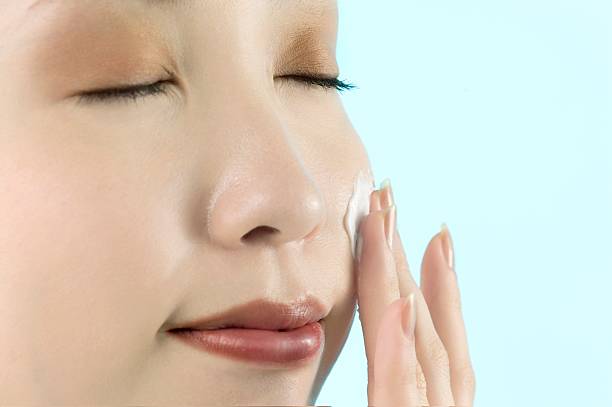
After your serum, wait a minute or two. This is not busywork. It gives the product time to sink in before you seal it under moisturizer. Then apply a night cream or moisturizer that feels comfortable. If your skin is oily, choose a lightweight lotion. If it’s dry, choose a richer cream. The goal is not to drown your face. The goal is to support the barrier so water doesn’t escape while you sleep. When your skin loses water overnight, you wake up with fine lines that look deeper than they are. A good moisturizer won’t erase wrinkles, but it will make your skin look plumper and calmer by morning.
Don’t forget your eyes and lips. The skin around your eyes is thinner and shows fatigue first. A small amount of eye cream tapped gently along the bone is enough. Don’t drag. For lips, a thick balm or a dab of facial moisturizer keeps them from cracking while you breathe through your nose. These are small moves, but they change how you look at 7 a.m.
Now think about the conditions you sleep in. Your bedroom is part of your routine. If the air is dry, add a humidifier. If you sleep on your side or stomach, you’re pressing your face into a pillow for hours. That can crease your skin and make morning puffiness worse. A silk or satin pillowcase is gentler than rough cotton. Try sleeping on your back when you can. You don’t have to be perfect. You just have to reduce the friction. Also, wash your pillowcase often. Oils, sweat, and leftover products build up, and then you press your clean face into them.
What you do before bed matters, too. Alcohol and salty snacks can leave you puffy and dehydrated. A big glass of water before bed sounds virtuous, but it may wake you up at 3 a.m. Drink water earlier in the evening. Keep your room cool and dark. Your skin and your brain both repair better when you’re actually asleep, not scrolling. Aim for seven to eight hours. That’s not a beauty tip. That’s biology.
Finally, give it time. One night of perfect routine won’t undo a decade of sun exposure. But four weeks of steady evenings will show up in your mirror. Your skin will look less tired. Your makeup will sit better. Fine lines will look softer. You’ll stop needing a filter for your morning selfie. The best evening routine is the one you’ll actually do when you’re tired. Keep it simple, keep it consistent, and let your skin take the night shift. Tomorrow you’ll thank yourself.