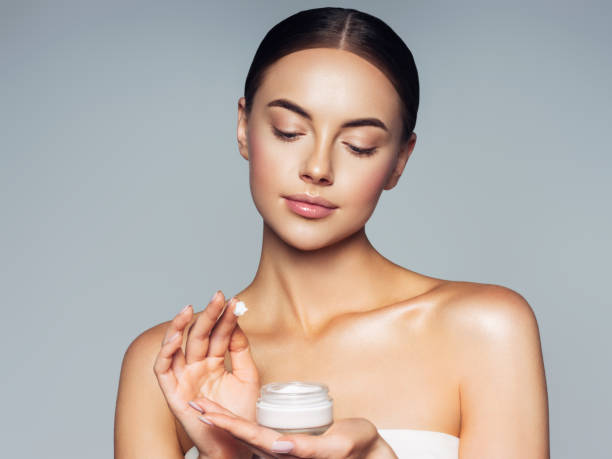
You know that moment in the morning when you press your fingers to your cheek and your skin feels like a piece of paper that’s been left in the sun? A little tight, a little thin, and every tiny expression line seems to have taken up permanent residence overnight. You reach for your hyaluronic acid serum because you’ve heard it’s the holy grail for plumping, and you put it on. Then you wait. And nothing happens. Or worse, your skin feels even tighter an hour later. The problem isn’t your serum. It’s how you’re using it.
Here’s the thing about hyaluronic acid: it’s basically a microscopic sponge that holds up to a thousand times its weight in water. That’s why it’s the go-to ingredient for filling in fine lines and giving your face that juicy, just-had-a-glass-of-water look. But a sponge can’t absorb anything if there’s no water around. And your skin, right after you’ve washed it with a foaming cleanser and then dried it off with a towel, is about as dry as a desert. So when you slap that hydrating serum onto a completely dry face, that little sponge has nothing to grab onto. It gets desperate. So it starts pulling moisture from the deeper layers of your skin, dragging it up to the surface where it just evaporates into the air. That’s why you end up feeling more parched than you did before. Your skin’s own water supply has been hijacked, and the fine lines you were trying to soften are now sitting on a tiny, dehydrated surface that makes them look deeper than ever.
The fix is almost embarrassingly simple. You need to give your hyaluronic acid something to work with. That means applying it to skin that’s already damp. Not soaking wet, not dripping, just lightly, freshly damp. The easiest way to do this is to wash your face and then, instead of reaching for the towel, just leave your skin slightly wet. Let a few droplets cling to your cheeks and forehead. Then apply your hyaluronic acid serum. You should feel it slide on a little differently—silkier, smoother, less sticky. That’s the sponge finally finding its drink. It’s pulling that moisture into the top layers of your skin, where it swells up like a water balloon, pushing out fine lines from the inside and giving you that plumped, bouncy look you were after.
But what if you’re someone who hates that damp-face feeling? Or maybe your cleanser is so efficient that your skin air-dries in about fifteen seconds. Then you’ve got a couple of options. Some people like to pat a hydrating toner or an essence onto their skin first. A simple rosewater spray, a glycerin-based toner, really anything that adds a layer of water without stripping your skin will do the trick. You can even use plain tap water as long as you’ve already cleansed. The key is just to have moisture present on the surface before the hyaluronic acid goes on. And if you’re really in a rush, you can mix a drop of your serum directly with a drop of water in your palm, then press that mixture into your face. That works too, though it’s a little less elegant.
Now, there’s a second part to this that people often miss. After you’ve applied your hyaluronic acid to damp skin, you need to follow up with a moisturizer. Not because your skin is dry, but because the hyaluronic acid has just filled your top layer with water, and if you don’t put a barrier on top, that water is going to slip right out. Think of it like a glass of water sitting outside on a hot day. Pretty soon, it’s gone. But if you put a lid on it, it stays for hours. A moisturizer, ideally one with ceramides or a little bit of oil, acts as that lid. It holds the water in, so your skin stays plump all day instead of deflating by noon.
Here’s a little experiment to try tonight. After you wash your face, pat it dry completely and then apply your hyaluronic acid to one half of your face. On the other half, spritz some water (or leave it naturally damp) and then apply the same serum. Let both sides sit for five minutes without any moisturizer. Run your finger across each cheek. The side where you applied to dry skin will feel slightly tacky and maybe a bit tight. The damp side will feel smooth, bouncy, and almost pillowy. That difference is the entire story. That’s the difference between just wearing an ingredient and actually making it work for you.
So the next time you’re standing in front of the mirror, ready to do your skincare routine, don’t reach for the towel so quickly. Give your hyaluronic acid a fighting chance. Give it a wet surface to land on, a little bit of water to hold onto, and then seal it all in with a good moisturizer. Your skin will look calmer, your lines will look softer, and you’ll finally understand why this ingredient has been the beauty world’s favorite plumping trick for decades. It’s not magic. It’s just hydration, done right.