You have seen the ten-step routines, the shelfies, the glass-skin claims. The 7 Skin Method is the part of K-beauty that actually survives a busy Tuesday. It is not seven bottles of toner or seven different products. It is one watery toner, applied in thin layers, patted into damp skin. The goal is simple: give your skin water in small doses instead of flooding it once. That is it.
The name is a translation quirk. “Skin” here means toner, and seven is the upper limit, not a rule. Most women do better with two to four layers. Dry skin might enjoy five or six in winter. Oily skin often likes two. The point is to read your face, not follow a number like a homework assignment. If your skin feels tight after cleansing, this method can feel like a drink of water. If it already feels comfortable, you can still use a single layer and move on.
Why does layering help? Think of a sponge. If you dump a cup of water on a dry sponge, most of it runs off. If you mist it a few times, the sponge absorbs more evenly. Skin behaves similarly. Thin layers of a watery toner sink in quickly, so you can add another before the first disappears. You get a soft, plumped look without a heavy cream sitting on top. Fine lines look less obvious because the surface is hydrated, not because anything permanent changed. This is a temporary, good-hair-day kind of improvement, not a facelift.
Product selection matters more than the number of layers. Choose a toner that feels like water or very thin tea, not a sharp, stinging liquid. Read the label for words like hydrating, soothing, or replenishing. Glycerin, hyaluronic acid, and ceramides are reliable teammates. If you see a toner marketed as astringent, clarifying, or oil-control, save it for spot use, not seven layers. You do not want to pat drying ingredients into your face seven times and call it self-care. Also skip anything that stings. A little tingle is not a sign of progress. It is a sign to stop.
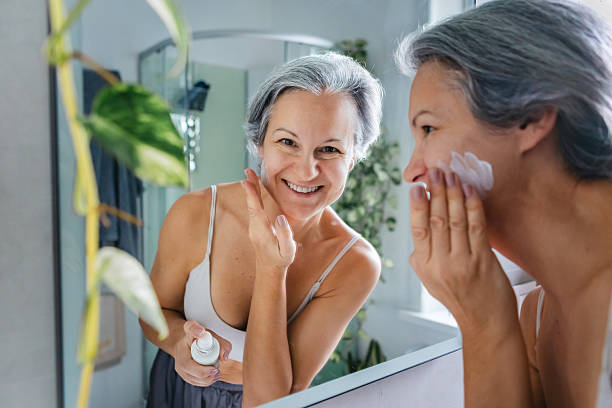
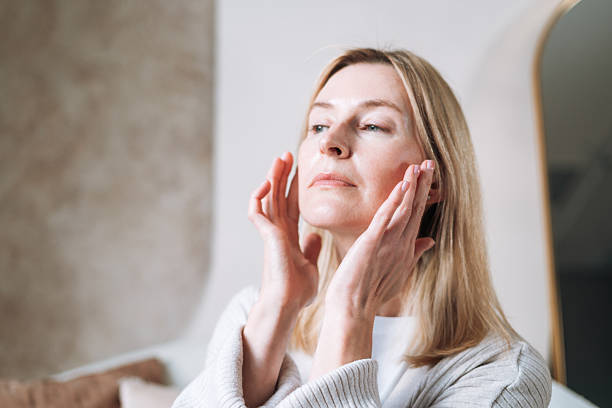
The method itself is easy. Cleanse, then leave your skin slightly damp. Pour a few drops of toner into your palm, press your hands together, and pat gently over your face and neck. Wait ten or twenty seconds, then repeat. Do not rub with a cotton pad. Do not slap hard. Patting helps you feel where your skin is thirsty and where it is already satisfied. Finish with a moisturizer to lock in the water, because hydration without a seal is like leaving a drink uncovered. In the morning, follow with sunscreen as usual. At night, this is a nice way to wind down without turning your routine into a second job.
K-beauty gets credit for making layering a habit, but J-beauty has a useful counterpoint. Japanese routines often call their watery toner “lotion” and use it in gentle layers, then rely on a simple moisturizer. The spirit is similar: prep the skin, don’t overwhelm it. The global innovation is not a magic ingredient. It is the idea that you can customize the amount of hydration you give your skin. That flexibility is why the 7 Skin Method has stuck around. It works with your skin, your climate, and your patience level.
The biggest mistakes are predictable. Using an exfoliating toner seven times is too much. Rubbing instead of patting wastes product and irritates skin. Skipping moisturizer leaves you with the same tight feeling you started with. Expecting glass skin by Friday is a setup for disappointment. Start with two layers for a week. If your skin feels soft and calm, add one. If it feels sticky, stop earlier. If it feels irritated, simplify. The method is a tool, not a test. Your best version is the one you will actually repeat on a Wednesday when you are tired.
So yes, the 7 Skin Method is worth a try if you like the idea of plumping up your skin without a heavy routine. Pick a gentle watery toner, pat it in thin layers, seal it with moisturizer, and let your face tell you when to stop. Seven is optional. Happy, comfortable skin is the real goal.