You’ve heard the buzz. Retinoids are the gold standard for anti-aging, and for good reason. They smooth fine lines, fade dark spots, and boost collagen production better than just about anything you can buy without a prescription. But if you’ve ever tried one and woke up with red, peeling, stinging skin, you know the hype comes with a warning label. The secret to getting the benefits without the side effects isn’t about having “tough” skin. It’s about strategy. You don’t need to suffer through a month of lizard-like flaking to look younger. You just need to train your skin the right way.
First, let’s talk about what retinoids actually do. In plain language, they tell your skin cells to hurry up and turn over. Old, dull cells get pushed to the surface and slough off. Fresh, bouncy cells take their place. That’s why your skin looks smoother and more radiant after a few weeks. But that same acceleration can also leave skin dry, angry, and sensitive if you go in too hard. Think of retinoids like a really effective workout plan. They’ll get you in shape, but if you try to sprint a marathon on day one, you’re going to end up sore on the couch. You have to ease in.
Start with a low-strength product. Look for a retinol or retinaldehyde, not the strongest prescription tretinoin. A 0.25% retinol is a perfect starting point. Apply it just two or three nights a week, not every single night. Your skin needs time to build up what we’ll call tolerance. It’s not about willpower. Your skin’s barrier literally needs to strengthen. After about two weeks of this gentle schedule, assuming you’re not flaky or red, you can move to every other night. Then, after another couple of weeks, try most nights. Slow and steady wins this race.
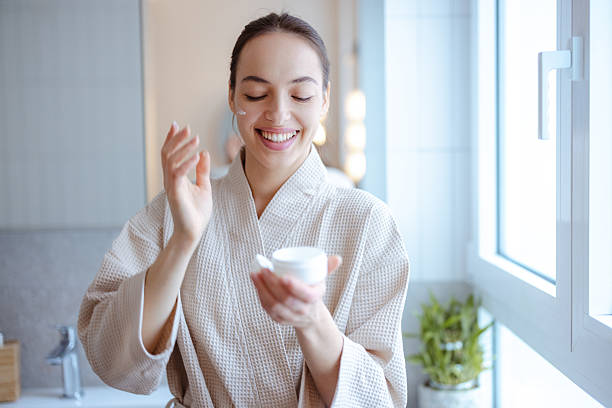
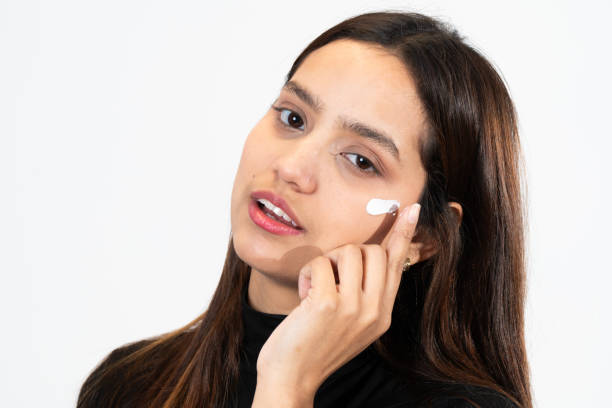
Now, here’s a trick that makes the whole process easier: the buffering method. Don’t apply retinoid to bare, freshly washed skin. Instead, put on a light layer of moisturizer first. Wait about ten minutes. Then apply your retinoid. Then top it off with another layer of moisturizer. This “sandwich” approach doesn’t weaken the retinoid’s anti-aging power. It just slows down how fast it penetrates, which dramatically reduces irritation. You still get the collagen boost and cell turnover, but without the drama. This is the single best way to start if you have sensitive skin or simply want to avoid any downtime.
Another non-negotiable: use retinoids only at night. Sunlight breaks them down and makes them less effective. Plus, they can increase your skin’s sensitivity to UV rays. So make retinoid your evening step. Then, every morning, slather on a broad-spectrum sunscreen with at least SPF 30. This isn’t optional. Sun exposure undoes all the collagen-supporting work retinoids are doing. You’ll be walking backwards on your anti-aging journey if you skip the SPF. Think of sunscreen as your retinoid’s bodyguard. They work as a team. One rebuilds, the other protects.
During your first few weeks, simplify the rest of your routine. Put away the harsh exfoliating acids like glycolic or salicylic acid. Also hold back on vitamin C if it makes your skin tingle. Let the retinoid be the star. Once your skin adapts, you can slowly bring your other active ingredients back into rotation. But for now, the less drama, the better. And pay special attention to your eye area. Retinoids are too strong for the thin skin under your eyes. Use a separate eye cream with a much lower amount of retinol, or skip the retinoid there entirely and stick with hydrating peptides or caffeine.
And here’s the thing nobody warns you about: the dreaded “purge.“ A few weeks in, you might see small breakouts or bumps. That’s not your skin rejecting the product. It’s your skin pushing out all the congestion that was already trapped deep in your pores. It looks bad before it looks good, but it passes. Don’t quit. Just keep up with your gentle, buffered routine. If you get flaky patches, don’t scrub them off. Rinse with lukewarm water and apply a thick, soothing moisturizer with ceramides or hyaluronic acid. These help your skin barrier recover and stay calm.
Finally, be patient. Retinoids are a long-term relationship, not a fling. You might see a nice glow after a month, but fading spots and softening lines takes three to six months of consistent use. That’s okay. You’re not in a rush. Start low, buffer generously, wear your sunscreen, and let your skin get used to the new rhythm. Before you know it, you’ll have that “what are you using?“ glow. And you can honestly say – you just took it slow.