If you are in your thirties, you might be noticing some small changes in your skin. Maybe a fine line around your eyes when you smile, or your skin feels a little drier than it used to. That is totally normal. Your twenties were about having fun and figuring things out. Your thirties are about being smart and consistent. This is the decade where the habits you build now will either make you look great later or leave you playing catch-up. So let’s talk about what really matters for your skin during these years, without any confusing science or weird buzzwords.
First, you need to know that your skin starts to change in your thirties because your body makes less collagen and elastin. Collagen is what keeps your skin bouncy and firm. Elastin helps it snap back after you move. Less of these two things means your skin can start to sag a little and wrinkles begin to show up, especially around your eyes, mouth, and forehead. Sun damage from all those years of not wearing sunscreen also starts to show now. So the number one thing you can do is wear sunscreen every single day. Not just when you go to the beach. Every day, even if it is cloudy. Sunscreen is the cheapest and most effective anti-aging product you will ever buy. Get one that says SPF 30 or higher and says “broad spectrum.” Put it on your face, neck, and the back of your hands. Yes, your hands show age too.
Next, you need a good moisturizer. In your twenties, you might have gotten away with just washing your face and calling it done. But in your thirties, your skin barrier gets weaker. That means it loses water faster and can get irritated easier. Look for a moisturizer that has ingredients like ceramides, glycerin, or squalane. These are just fancy names for things that help your skin hold onto water. You do not need to spend a ton of money. Drugstore brands work just fine as long as they are thick enough to keep your skin hydrated. Put it on right after you wash your face, while your skin is still damp. That locks in the moisture better.
Now, let’s talk about what you put on your face at night. Your skin repairs itself while you sleep, so you want to help it along. A simple routine is all you need: wash your face, put on a treatment, and then moisturize. For the treatment part, the best thing you can use in your thirties is retinol. Retinol is a form of vitamin A that tells your skin to act younger. It boosts collagen production, smooths out fine lines, and helps with sun spots. But you need to be careful with it. Start with a low strength, like 0.25 percent, and use it only two or three times a week at first. Put it on clean, dry skin, then wait twenty minutes before you put on your moisturizer. That helps prevent irritation. And never use retinol in the morning because it makes your skin extra sensitive to the sun. That is why sunscreen is even more important.
You might also want to think about an eye cream. The skin around your eyes is very thin and shows age first. An eye cream with caffeine can help with puffiness, and one with peptides can help with firmness. Again, you do not need the most expensive one. Just find something simple and use it every night. Gently tap it on with your ring finger, not your whole hand. That finger has the lightest touch, so you do not stretch the skin.
Do not forget your neck and chest. A lot of women focus only on their face, but your neck and chest can give away your age just as much. When you put on your moisturizer and sunscreen in the morning, bring it all the way down your neck and onto your chest. Treat that area the same way you treat your face. It will pay off.
Another big thing is sleep. Not just how many hours, but how you sleep. If you sleep on your side or stomach, you are smashing your face into a pillow every night. Over time, that can cause sleep lines that turn into permanent wrinkles. Try to sleep on your back, or get a silk pillowcase. Silk is slippery, so your skin slides across it instead of getting creased. It also is gentler on your hair.
Finally, do not forget what is going on inside your body. Drink water throughout the day. Not a crazy amount, but enough so your pee is light yellow. Eat foods that have healthy fats, like avocados, nuts, and salmon. These help your skin stay soft and plump. And cut back on sugar. Sugar can attach to collagen in your skin and make it stiff and weak. That is called glycation, and it is a real thing. You do not have to be perfect, but try to limit sugary drinks and desserts.
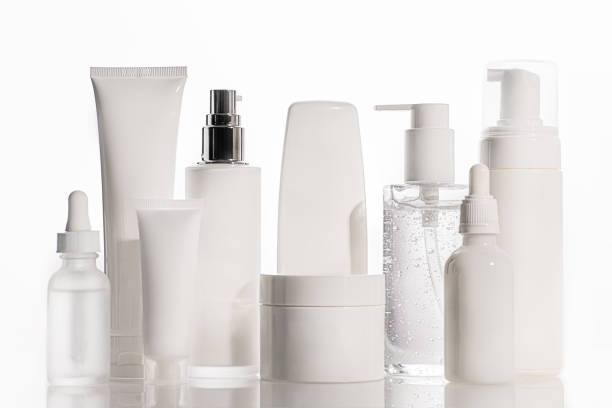
Your thirties are not about trying to look like you are twenty again. That is not realistic. Instead, this is the decade to build a solid routine that keeps your skin healthy and strong. You do not need ten products. You need a good sunscreen, a moisturizer, a gentle cleanser, a retinol product, and maybe an eye cream. Use them consistently, day and night, and your skin will look good for the next several decades. It is about small, smart choices that add up. You have the money to invest in good products, and you have the time to make it a habit. So start today. Your forty-year-old self will thank you.