If you’ve been scrolling for an anti-aging tool that’s actually worth the bathroom counter space, red light therapy has probably popped up on your screen a dozen times. But most advice out there is buried under talk about wavelengths and cellular mitochondria—enough to make you feel like you need a lab coat just to press “on.“ Let’s cut through that. Red light therapy is simply a fancy name for sitting near a glowing device that sends safe, calming light into your skin. That light tells your cells to pick up the pace. They start producing more collagen, repairing daily damage, and smoothing over the fine lines that makeup and stress carve into your face over time. No needles, no burning, no downtime. Just you and a futuristic-looking glow for about fifteen blessed, quiet minutes.
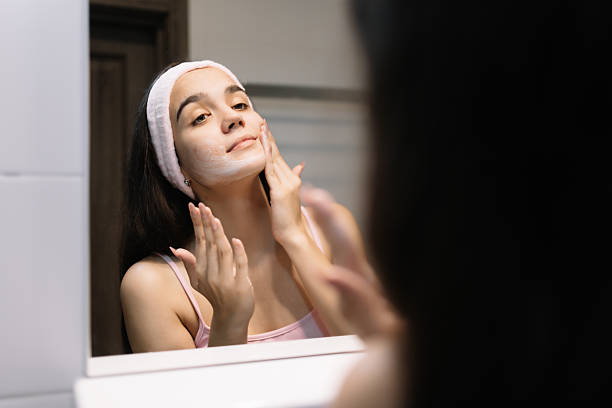
The real question nobody answers clearly is when to use it in your routine. You’ve already got your cleanser, your serum, your night cream—adding one more step feels like a logistical nightmare. But here’s the reassuring truth: red light therapy isn’t one more step. It’s the before step. Cleanse your face as usual, pat it dry, and then turn on the device. Let the light soak in while you listen to a podcast or stare dreamily at the ceiling. Once it’s done, move straight into your regular serums and moisturizer. That’s it. You didn’t juggle anything. You just moved your skincare up by ten minutes.
Why does order matter? Because red light likes clean, bare skin. If you’ve already piled on a thick moisturizer or a slick face oil, the light has to fight through that extra layer, which weakens its ability to reach the deeper layers where the real renewal happens. On the other hand, when you apply your retinol or vitamin C after your light session, you’re putting active ingredients onto skin that’s just been primed and warmed. Think of it like stretching before a workout—you’re setting everything up to work better. Women who do this consistently report that their usual products feel like they’re absorbing faster, and honestly, the simple ritual feels luxurious once you get into the rhythm.
Timing matters more than you’d expect. While research doesn’t scream that one specific hour is best, evening sessions tend to fit naturally into a wind-down routine. You’re not rushing, your face is already free of makeup, and the warm glow can feel oddly soothing after a long day. Some people even find it helps them signal to their brain that it’s time to relax. If you’re the kind of person who needs a reason to stop checking emails, this is a good one. Pick the same time each night, and within a week, it’ll be as automatic as brushing your teeth.
Now, the part nobody likes to hear: results take time. This is not a pinch-and-glow instant fix. Two weeks in, you might notice your skin looks a bit brighter, slightly more rested. That’s nice, but the real payoff—softer lines, firmer texture, less crepey skin around the eyes—shows up around the eight-to-ten-week mark if you’re consistent. And consistent means four to five sessions per week, not once when you remember. The manufacturers’ instructions usually say ten to twenty minutes per session. Don’t try to beat the clock by going longer. More isn’t better here. Your skin needs the right dose, not an overdose, and too much red light can occasionally lead to overstimulation, which backfires with sensitivity.
One more practical note: protect your eyes correctly. Some masks are designed for closed eyes, while others come with little goggles. Never stare straight into the light with bare eyes, even if it doesn’t look bright like the sun. That’s not scary—just common sense. If you’re using prescription acne treatments that make your skin extra sensitive, or if you have a history of skin conditions, a fast check with your dermatologist is the smart move. You don’t need anyone’s permission to look after yourself, but you also don’t want to interfere with something else you’re already doing.
So here’s the whole approach in plain language. You already wash your face every night. You already put on your products. Red light therapy just slides in between those two familiar steps. No new buzzwords, no complicated charts, no extra morning time. Show up nightly, give it a couple of months, and let your skin do the kind of repair work it once did effortlessly. It won’t turn back time completely, but it can give you that well-rested, healthy glow that makes people wonder if you’ve stopped stressing over every little thing. And honestly, having a few minutes of quiet glow time is worth it for that all on its own.