You know that feeling when you look in the mirror and your face looks a little less... defined? Maybe your cheeks don’t have that same bounce, or you notice a soft crease along your jawline. It’s not in your head. After your mid-20s, your skin starts making less collagen—the protein that acts like a supportive mattress for your face. And less collagen means less firmness. But here’s the good news: you can talk your skin back into action with peptides.
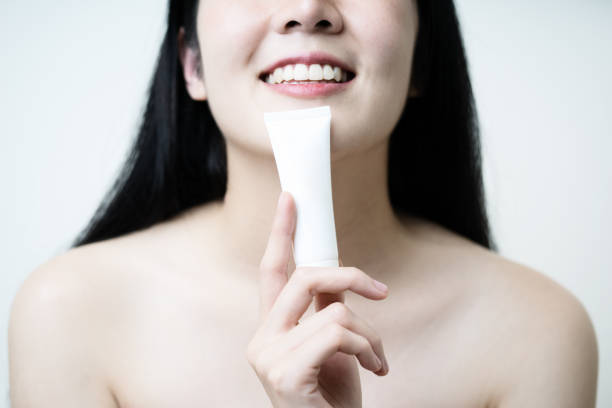
Peptides might sound like something from a science lab, but they’re actually just tiny pieces of protein that your skin already knows how to use. Think of them as little text messages sent to your collagen-making cells. The message is simple: “Hey, time to produce more collagen.“ When you apply peptides to your skin, they sink in and deliver that message directly. Unlike some ingredients that try to jam collagen into your skin (spoiler: it’s too big to absorb), peptides work with your body’s own systems. They’re the undercover agents of skincare.
Here’s why that matters for firmness. Collagen forms a network in your skin that keeps everything lifted and tight. When that network weakens, skin starts to sag and lines appear. By giving your skin extra building blocks and a clear signal to rebuild, peptides help reinforce that network. You’re not just moisturizing the surface—you’re actively telling your skin to repair its foundation. Over time, this means a firmer feel when you touch your face, and a smoother, more even look in areas where fine lines used to hang around.
Getting the most out of peptides isn’t complicated. The key is consistency. Apply a peptide serum or moisturizer every day, ideally twice a day. Cleanse your face, then put the product on slightly damp skin. That helps it absorb better. Top it with a basic moisturizer to lock it all in. If you’re a layering pro, use vitamin C in the morning before your peptides, and a retinoid at night after them. But honestly, you don’t need a 10-step routine. A peptide moisturizer alone can do the job if you’re just starting out.
What should you look for on the label? Don’t get overwhelmed by fancy names. Products with “tripeptide” or “copper peptide” are well-researched and widely available. You don’t need to know the exact amino acid sequence. Just pick a serum or cream from a brand you trust, with a mix of peptides. Price isn’t always a predictor of quality—some drugstore options work just as well as luxury ones. The real secret is using it long enough to see results. Don’t expect a miracle in three days. Give it at least four to six weeks. Your skin needs time to build new collagen, and that’s a biological process, not a marketing trick.
Peptides also play nicely with other healthy habits. Sunscreen is non-negotiable. UV rays are the biggest collagen destroyers out there, undoing all your hard work in minutes. Wear SPF 30 or higher every day, even when it’s cloudy. Eat protein-rich foods like eggs, fish, and beans—they provide the actual raw materials for collagen. Drink enough water so your skin cells can function properly. And get your beauty sleep. When you sleep, your body goes into repair mode, and that’s when peptide signaling works best.
Now, are peptides for everyone? If you’re in your late 20s or 30s and noticing the first hints of lost firmness, they’re a perfect preventative step. If you’re in your 40s or 50s, they can still make a real difference, though you might want to pair them with other treatments like retinol or professional procedures. The best approach is to start early and be consistent. Waiting until wrinkles are deep only makes the task harder. Peptides are most effective when you’re giving your skin a gentle nudge before it really needs a shout.
One more thing: don’t fall for overblown claims. Even the best peptide product won’t erase a decade of sun damage or give you a facelift in a bottle. What it will do is support your skin’s natural ability to stay firm and resilient. That’s actually a powerful promise—because it’s one that your skin can keep. As you use peptides, you’re building a stronger foundation for the long haul. And with a healthy lifestyle, sunscreen, and a bit of patience, you’ll notice that your skin feels more lifted and looks smoother. That’s the kind of realistic, smart approach that works. No magic, just biology working in your favor.