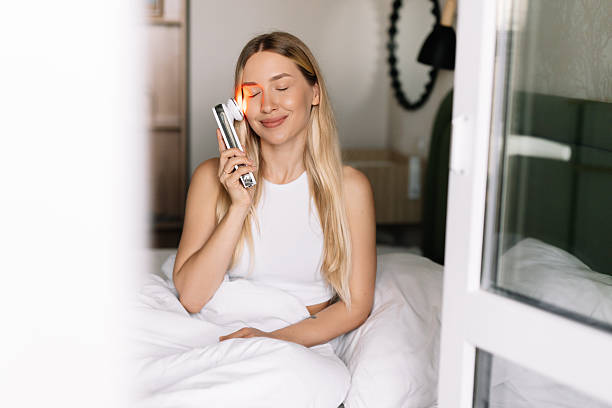
You know the feeling. Your skin looks tired even when you slept. Foundation catches on dry patches. Pores seem bigger. You’ve tried scrubs, masks, serums. Sometimes they help. Sometimes they leave you red and irritated. That’s where microdermabrasion comes in. It’s a professional treatment that gently polishes away the top layer of dead skin cells. No needles. No downtime. Just a smoother, brighter surface. Think of it as a deep clean for your face, done by someone who knows what they’re doing.
Microdermabrasion is not a harsh scrub. A trained provider uses a small wand that either sprays tiny crystals or uses a diamond-tipped head. The wand moves across your skin while a vacuum pulls away loosened dead cells and debris. It feels like a light sanding and a gentle suction at the same time. Most women say it’s refreshing, not painful. Your provider controls the pressure, so it can be adjusted for your skin. That control is the difference between a glow and a problem.
Why bother? Because dead skin cells don’t just sit there. They pile up. They make your complexion look dull. They can block the products you spend good money on. When that layer is removed, your moisturizer, serum, and sunscreen can do their jobs better. You’ll notice smoother texture right away. Makeup goes on more evenly. Fine lines look softer because the skin is plumper and more even. Dark spots from old breakouts or sun exposure can fade over time. It’s not a magic eraser, but it’s a strong reset.
Who is it for? If you have dull skin, mild breakouts, blackheads, uneven tone, or early signs of aging, you’re a good candidate. If your skin is very sensitive, easily irritated, or you have deep, painful breakouts, open sores, or a sunburn, wait. Talk to your provider. Be honest about retinol, acids, acne treatments, and any recent waxing or laser work.
How often should you go? One treatment gives you a glow for a week or two. A series gives you real change. Most people start with four to six sessions spaced two to four weeks apart. After that, maintenance every four to eight weeks keeps your skin polished. If you’re prepping for a wedding, reunion, or big meeting, start at least a month ahead. Don’t book your first session the day before. You want time to see how your skin responds.
What happens during an appointment? You’ll cleanse your face. Your provider may cover your eyes. The treatment takes about thirty to forty-five minutes. You might feel mild warmth or tingling. Afterward, your skin may be slightly pink, like after a brisk walk. That usually fades within a few hours. You can go back to your day. You should not go straight to the gym, sauna, or pool. Gentle cleanser, moisturizer, and sunscreen are your best friends.
Aftercare is where many women slip. You just polished your skin. Don’t rough it up. Skip your at-home scrub. Skip the spinning brush. Skip the peel pads. Use a gentle cleanser. Apply a thick but non-greasy moisturizer. Wear sunscreen every morning, even if it’s cloudy. If you don’t protect your fresh skin, you’ll undo the results and invite brown spots. Also, don’t pick. Your skin may feel smooth, but it’s still recovering.
Is professional microdermabrasion better than an at-home scrub? Not always, but often. A scrub can be uneven. You might press too hard on your cheeks and miss your jawline. A professional treatment is consistent, sterile, and customized. It’s like the difference between trimming your own bangs and going to a stylist. A gentle at-home exfoliant is fine, but don’t try to recreate this with a rough scrub. That’s how you get redness and irritation.
Sessions usually cost $100 to $200, and packages bring the price down. But it should be part of a bigger plan. Cleanse, moisturize, protect, treat, and polish. Microdermabrasion is the polish, not the whole plan.
The bottom line: microdermabrasion is a gentle, effective way to refresh your skin. It smooths, brightens, and helps your skincare absorb. It’s not painful, not permanent, and not a replacement for sunscreen. Choose a reputable provider. Follow aftercare. Space treatments sensibly. Your skin will look polished, healthy, and awake. Not perfect. Just better.