You’ve probably stood in front of a magnifying mirror, tilted your head just so, and thought: Why does my skin look like a golf ball? Those little craters around your nose and cheeks, the ones that seem to swallow your foundation before noon, are large pores. And while you can’t shrink them with a magic wand, you absolutely can make them look smaller, softer, and way less noticeable. The trick is not to attack them like a crime scene. It’s to work with your skin, not against it.
First, let’s get real about what causes those noticeable openings. Pores are tiny tubes where oil lives. When your skin produces more oil, the tube gets fuller and pushes the opening wider. Add in dead skin cells that don’t shed on their own, and you get a perfect recipe for that bumpy, rough texture that shows up in photos. Age plays a part too. As you get older, your skin loses elasticity, so those openings lose their bounce and just sit there, looking bigger than they used to. That’s why managing texture is as much about keeping skin firm as it is about keeping it clean.
Here’s the secret: you don’t need a fifteen-step routine. You need a few honest moves that actually work. Start with a gentle cleanser, not one that makes your face feel like a squeaky plate. Over-stripping your skin tells your oil glands to panic and produce even more. Look for something with salicylic acid, which slips inside the pore and clears oil from the top down, like a gentle unclogging of a drain. Use it a few times a week, not every day, unless your skin truly loves it.
Now, exfoliation. This is where texture gets its big break. But put down the walnut shell scrub. Micro-tears in your skin make pores look worse, not better. Instead, use a liquid exfoliant with glycolic acid or lactic acid. These work by dissolving the glue that holds dead skin cells together, so they slough off evenly. Your skin feels smoother within a week, and those pores look less like craters and more like soft shadows. Start with a low percentage, like 5 to 10 percent, and always follow with moisturizer. Yes, even if you’re oily. Moisturized skin gets firmer, and firmer skin means the pore walls stand up straighter instead of slumping.
That brings us to the MVP of texture and lines: sunscreen. If you skip this step, nothing else matters. UV rays break down collagen and elastin, which are the scaffolding that keeps your pore walls tight and your skin smooth. Without that scaffolding, pores dilate and fine lines settle in. Use a broad-spectrum SPF 30 or higher every single morning, even when it’s cloudy, even when you’re just commuting. A lightweight, non-greasy formula won’t clog pores. You don’t need to reapply indoors unless you’re sitting by a window all day. But if you go outside, reapply. Your future skin will thank you by not turning into a wrinkly, orange-peel mess.
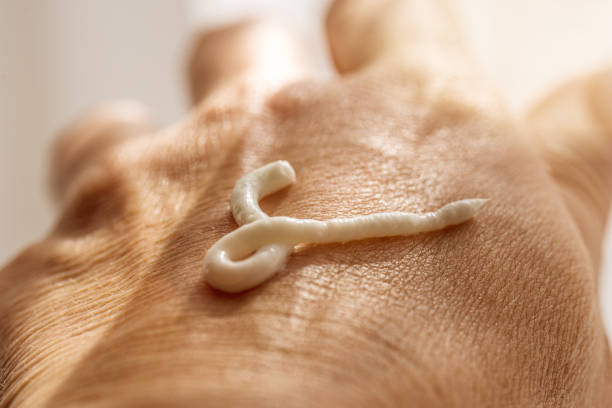
Another powerhouse is retinol. It’s the gold standard for texture and line management. Retinol speeds up cell turnover, which means fresh, smooth skin cells appear faster while old, rough ones bow out. It also stimulates collagen production, making pore walls tighter over time. But slow and steady wins this race. Start with a pea-sized amount twice a week at night, and always pair it with moisturizer. Some flaking is normal for the first two weeks, but if your skin feels burned, you went too fast. Back off, use it once a week, and build up. In about three months, you’ll notice a real difference: smaller-looking pores, softer texture, and fewer fine lines around your eyes and mouth.
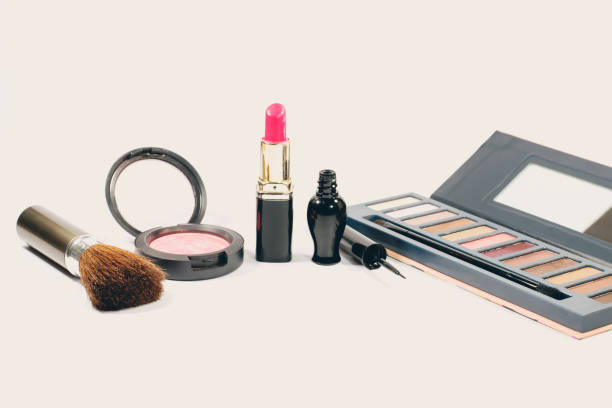
What about makeup? You don’t have to go bare-faced to hide pores. Use a silicone-based primer, which fills in the crevices like caulk for your skin. Then apply a light, buildable foundation, not a thick matte paste. Heavy layers settle into every dip and make things worse. A cushion compact or a tinted moisturizer gives you coverage without the mask. And for a final touch, use a fluffy brush to lightly dust a finishing powder with a soft-focus effect. These powders contain ingredients that scatter light so your skin looks blurred, like a selfie filter in real life.
Don’t forget lifestyle. Drink water, but not because some influencer told you to. Hydrated skin from the inside plumps up the surrounding tissue, which naturally makes pores look less deep. Eat foods with antioxidants, like berries and leafy greens. They defend your collagen from everyday damage. And get enough sleep. When you’re tired, your skin produces more oil and less collagen. You’ll literally wake up with bigger pores and more pronounced lines. No sheet mask can fix a bad week of sleep.
One last thing: stop poking. Squeezing blackheads and picking at dry patches only stretches the pore and inflames the area. That leads to permanent widening. If you have stuff in your pores, let your skincare handle it. Chemical exfoliants, retinol, and time will clear it out without your fingernails.
Large pores are not a flaw. They’re a skin type. But that doesn’t mean you have to live with rough texture and visible lines. Be consistent, be gentle, and give your skin a few months to change. You’ll see that what looks like a permanent problem is actually just a habit waiting to be improved.