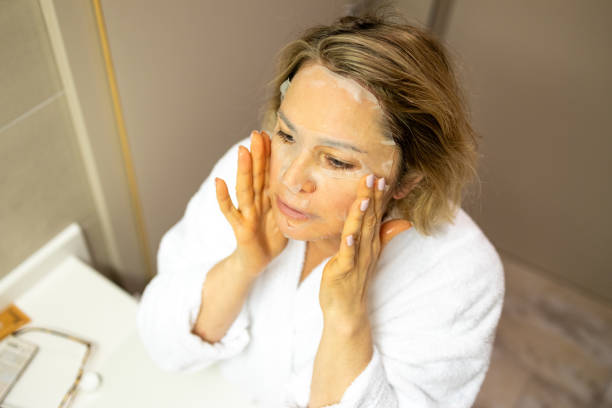
Your forehead is one of the hardest-working parts of your face. It lifts when you are surprised, scrunches when you are skeptical, and holds tension when you are staring at a screen. That is why forehead lines often show up before lines in other zones. They are not a sign that you have failed at skincare. They are usually a sign of expression, sun, and daily habits stacking up over time. The smart move is not to panic or wait until lines are deeply set. It is to understand what you are seeing and make a few steady choices that keep your skin looking smoother for longer.
Early forehead lines usually start as expression lines. You raise your brows, and a few horizontal creases appear. When you relax your face, they fade. That stage is your window for intervention. If the same lines begin to stay visible at rest, the skin has started to lose some of its bounce and a habit has become a groove. You do not need to treat every faint line like an emergency. You do need to notice the difference between temporary movement lines and lines that are starting to linger.
Sun exposure is the quiet accelerator. It breaks down the skin’s firmness and makes every expression line more likely to stick around. If you only do one thing, make it daily sunscreen. Use enough to cover your face and neck, and remember your forehead gets direct light all year, including on cloudy days and during short walks. A moisturizer with sunscreen is fine for errands, but a dedicated broad-spectrum sunscreen is worth the extra step if you want serious prevention. Reapply when you are outside for long stretches, and do not forget the hairline and temples.
The next lever is moisture. When skin is dry, fine lines look sharper and feel more obvious. That does not mean you need a ten-step routine. It means you should cleanse gently, especially if your skin feels tight after washing, and moisturize while your skin is still slightly damp. Look for a comfortable cream or lotion you will actually use every morning and night. If your forehead is oily, choose something lightweight rather than skipping moisture altogether. Dehydrated skin can look lined even when it is not truly dry. A simple test is to smile and raise your brows in front of a mirror after moisturizing; if lines look softer, your skin is asking for water, not more products.
Your daily expressions matter more than most people admit. Staring at a phone or laptop for hours often brings your brows together and creates tension across your forehead. If you catch yourself squinting, fix the light or adjust your screen instead of pushing through. Wear your glasses or update your prescription if you have been putting it off. On bright days, sunglasses do more than protect your eyes; they stop you from scrunching your face all afternoon. You do not need to become stone-faced. You just need to give your forehead fewer reasons to hold a crease.
At night, keep your routine simple and consistent. If you want to go beyond moisturizer, a gentle retinol product can help smooth the look of fine lines over time, but it works best when you start slowly and use sunscreen every day. Apply it only as directed, and do not layer it with every other active product you own. More is not better when your skin is adjusting. If you are brand new to retinol, use it two nights a week and build from there, and skip it on nights when your skin feels raw. If your skin gets flaky or irritated, pull back rather than pushing through. Consistency beats intensity every time.
Intervention also means being honest about what you can control. You can control sun protection, hydration, screen habits, sleep, and whether you stick with a routine. You cannot control genetics or the fact that your face moves. That is okay. The goal is not a frozen forehead or a perfect filter. The goal is healthy-looking skin that still looks like you. Start early, keep it simple, and protect the skin you have. Your future forehead will thank you.