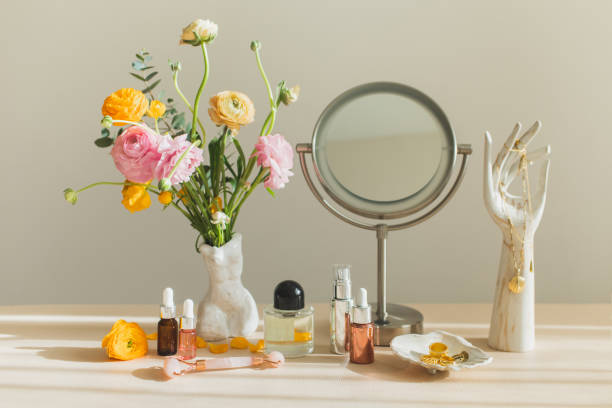
You’ve probably seen the bottles on your shelf or noticed them taking up serious space in your friend’s beauty fridge – tiny vials that look like fancy liquors, essences that promise glowing skin with names like “fermented yeast” or “rice water.” If you’ve been curious but also a little skeptical, I get it. Fermented skincare sounds like something your coolest aunt would bring home from a trip to Seoul, not like a science-backed addition to your daily routine. But here’s the thing: this isn’t a trend that’s here today and gone tomorrow. Fermented skincare has been a cornerstone of both Korean and Japanese beauty rituals for generations, and for good reason. It just happens to be one of the smartest, most effective ways to keep your skin smooth, plump, and, yes, wrinkle-free.
Let’s break down why fermentation works, but forget any lab-talk. Think about your favorite sourdough bread or a good glass of kombucha. Fermentation is basically nature’s way of predigesting food. When ingredients like rice, green tea, or even ginseng are fermented, the good bacteria break down their molecules into much smaller pieces. That means your skin doesn’t have to work as hard to absorb them. Instead of applying a giant protein that just sits on the surface of your face, you’re giving your skin tiny, ready-to-use nutrients that slip right into your skin cells. It’s like the difference between eating a whole apple and drinking a smoothie – same nutrients, but way easier for your body to use. For your skin, that translates to deeper hydration, less irritation, and more visible results, especially when it comes to softening those fine lines that start creeping up around your eyes and mouth.
Japanese beauty culture has been quietly perfecting this for centuries. Sake, the rice wine you might enjoy with sushi, is actually a byproduct of fermented rice. Brewery workers noticed their hands stayed extraordinarily soft and youthful despite working in harsh conditions. That’s not a coincidence. The fermentation process creates amino acids, organic acids, and enzymes that gently exfoliate and deeply moisturize. In fact, many Japanese toners and moisturizers still use sake filtrate or sake kasu (the lees left over from brewing) as a hero ingredient. It gives your skin a lit-from-within glow that no highlighter can replicate, and it helps your skin hold onto moisture, which is the number one way to keep wrinkles at bay. Dry skin shows every little line; well-hydrated skin looks smooth and bouncy. Simple as that.
Then you have K-beauty’s take on fermentation, which is all about layering these powerful essences and serums into your routine. Korean beauty really popularized the concept of the “essence” – a watery, lightweight step you apply after cleansing and before moisturizer. These essences are often fermented with ingredients like yeast, snail mucin, or even birch sap. The idea is that because the molecules are so small, they can penetrate multiple layers of your skin, delivering antioxidants and hydration directly where you need them most. Over time, consistent use helps visibly plump the skin, blur those crinkly lines around your lips, and even out your skin tone. It’s not magic. It’s just giving your skin the right building blocks in a form it can actually use.
Now, here’s the practical part. You don’t need to overhaul your entire routine or buy a ten-step Korean system if that feels like too much. Start with one fermented product and see how your skin responds. A fermented toner or essence is the easiest entry point. After you wash your face, pat a few drops onto damp skin, then follow with your regular moisturizer. You’ll notice a difference in how your skin feels right away – softer, calmer, more awake. Over a few weeks, fine lines look less etched in, and your skin starts to reflect light in a way that makes you look genuinely rested. For those of you who are more serious, look for serums or ampoules that list fermented yeast or rice extract as the first or second ingredient. That means it’s the real deal, not a token sprinkle.
One thing to remember: fermented products have live cultures that are sensitive to heat and light. Keep them away from your windowsill and definitely out of your hot bathroom cabinet. A cool, dark spot is perfect, or you can do what many women swear by – store your essence in the fridge for an extra cooling, de-puffing effect in the morning. Also, because these ingredients are so concentrated, start slow. Use your new product every other day for the first week. Your skin will adjust, and you’ll avoid any purging that can happen when a truly active product enters the picture.
The bottom line is this: you don’t have to fly to Korea or Tokyo to get ahead of wrinkles. Fermented skincare is globally available now, from drugstore brands to high-end lines. And unlike a lot of overhyped ingredients, fermentation is backed by centuries of use and now a growing pile of dermatological research. It’s gentle, effective, and genuinely feels luxurious – like giving your face a daily sip of something nourishing. So if you’ve been hovering over that bottle of essence, waiting for a sign, consider this it. Your skin will thank you, and so will your future self when you’re looking into the mirror at fifty with the same smoothness you have at thirty.