If your skin is very fair, you already know the feeling: ten minutes in strong sun and your cheeks turn pink, your nose glows, and by evening you have a faint outline of your sunglasses. That quick reaction isn’t a flaw. It’s information. Fair skin has less natural color to absorb and scatter the sun’s energy, so damage shows up faster and more visibly. The good news is that fair skin also gives you clear feedback. You can use that feedback to build a routine that protects your skin every day, not just at the beach.
The first thing to understand is that sun damage is cumulative. It’s not just the big days—the vacation, the wedding, the long hike—that count. It’s the walk to your car, the twenty minutes at lunch, the drive with the sun on your arm, the bright window beside your desk. For fair skin, those small exposures add up because the skin has a lower threshold before redness and irritation begin. Over time, that repeated exposure can show up as freckles, uneven tone, rough patches, visible redness, and fine lines. It can also make skin feel more sensitive. So the goal isn’t to panic about every ray. It’s to make protection automatic.
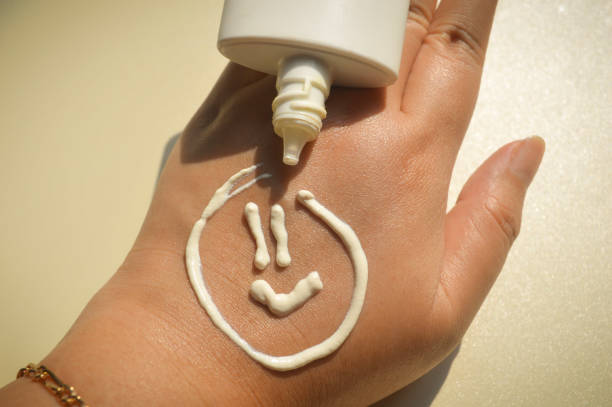
Sunscreen is the foundation, but the details matter. Choose a broad-spectrum sunscreen with SPF 30 or higher and make it the last step in your morning skincare routine. Most people use far less than they need. For your face and neck, think about a generous nickel-sized amount, and don’t forget your ears, hairline, and the tops of your hands. If you’re going to be outside for more than a quick errand, reapply every two hours, and sooner if you’re sweating or swimming. A tinted sunscreen can be a smart choice for fair skin because the tint helps even out visible redness while you protect your skin. If you wear makeup, look for a sunscreen layer underneath rather than relying on foundation alone.
Timing and shade are your quiet advantages. The sun is strongest in the middle of the day, so plan outdoor time for morning or late afternoon when you can. Wear a wide-brimmed hat and sunglasses that block sun from the sides. Clothing helps more than most people expect. A lightweight long-sleeve shirt and a scarf around your neck can do a lot on a bright day. And yes, clouds count. Up to eighty percent of the sun’s rays can pass through light cloud cover, so a gray sky is not a free pass. Windows also count. If you sit near a window or drive often, use sunscreen on exposed skin as part of your normal morning routine.
Fair skin often needs gentle care, not aggressive care. When skin is already reactive to the sun, harsh scrubs and strong treatments can make redness and sensitivity worse. Keep your routine simple: a mild cleanser, a moisturizer that helps your skin feel comfortable, and sunscreen every morning. At night, focus on calming and repairing. If you want to address uneven tone or fine lines, introduce one product at a time and give your skin a few weeks to adjust. Stronger isn’t better. Consistent and comfortable is better. And if a product stings, burns, or turns your face red, stop using it. Fair skin doesn’t need to be toughened up. It needs to be supported.
One habit that helps fair skin in a big way is paying attention to your own pattern. Notice when your skin turns pink. Notice which activities leave you exposed. Notice whether you skip sunscreen on cloudy days or forget your neck. Then make one small change. Keep sunscreen next to your toothbrush. Put a hat by the door. Keep a stick sunscreen in your bag for your hands and face. These small moves turn protection from a project into a reflex.
Sun damage on fair skin is not about one bad day. It’s about hundreds of ordinary days. That’s actually good news. It means you can change the story with ordinary habits: a generous layer of sunscreen, a little shade, a hat, and a routine that respects your skin’s sensitivity. You don’t need to hide from the sun. You need to be smarter than it—every day, not just on vacation.