Crepey skin, characterized by its thin, wrinkled, and fragile appearance reminiscent of crepe paper, is a common concern, particularly on the legs. This condition arises from a deterioration of the skin’s supportive structures—namely collagen and elastin fibers—often accelerated by aging, sun exposure, significant weight fluctuations, and genetic predisposition. While it may not be possible to completely reverse crepey skin, a dedicated, multi-faceted approach can significantly improve its texture, firmness, and overall appearance, restoring a healthier and more youthful look to your legs.
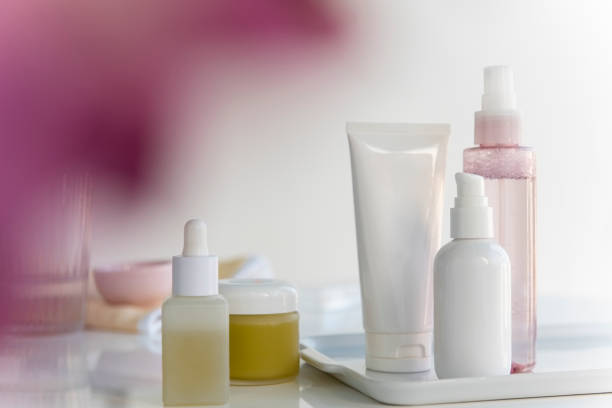
The cornerstone of any treatment plan is a rigorous and consistent skincare routine focused on intense hydration and barrier repair. The goal is to plump the skin from the outside, temporarily smoothing the crepe-like texture. Begin by choosing a gentle, hydrating cleanser that does not strip the skin of its natural oils. Following cleansing, the application of a high-quality moisturizer is non-negotiable. Look for formulations rich in humectants like hyaluronic acid and glycerin, which draw water into the skin, as well as emollients and occlusives such as shea butter, ceramides, and squalane. These ingredients work in concert to lock in moisture, fortify the skin’s protective barrier, and create a smoother surface. For enhanced benefits, consider incorporating a body lotion or serum containing retinoids, which are derivatives of vitamin A. Retinoids, available in both prescription and over-the-counter strengths, are clinically proven to stimulate collagen production and accelerate cell turnover, making them one of the most effective topical agents for addressing skin thinning and wrinkles over time.
Beyond topical care, the role of sun protection cannot be overstated, as ultraviolet radiation is a primary culprit in the breakdown of collagen and elastin. Applying a broad-spectrum sunscreen with an SPF of 30 or higher to your legs every day, even during winter or on cloudy days, is essential to prevent further damage and protect the benefits of your other treatments. This single habit is arguably the most powerful long-term preventative measure you can adopt.
For those seeking more pronounced results, a variety of professional dermatological treatments offer targeted solutions. These procedures, performed by licensed professionals, work by creating controlled micro-injuries to the skin, triggering the body’s natural healing response and thereby boosting collagen and elastin synthesis. Popular and effective options include laser therapies, such as fractional non-ablative lasers, which penetrate the dermis to promote remodeling without damaging the surface. Radiofrequency treatments use energy to heat the deeper layers of skin, causing immediate tightening and stimulating long-term collagen production. Microneedling, another excellent option, involves using fine needles to create micro-channels, which enhances the absorption of topical serums and jumpstarts the skin’s repair mechanisms. While these treatments often require a series of sessions and involve some downtime and cost, they can produce significant and lasting improvements in skin texture and firmness that topical products alone cannot achieve.
Finally, supporting your skin’s health from within is a vital component of a holistic strategy. Ensuring adequate hydration by drinking plenty of water is fundamental for maintaining skin plumpness. A balanced diet rich in antioxidants from colorful fruits and vegetables helps combat free radical damage, while lean proteins provide the amino acids necessary for collagen building. Additionally, lifestyle factors play a role; avoiding smoking and excessive alcohol consumption is crucial, as both habits severely degrade skin quality. Regular, moderate exercise also promotes healthy circulation, delivering oxygen and nutrients to the skin.
In conclusion, treating existing crepey skin on the legs demands patience and a comprehensive regimen that merges diligent at-home care with professional interventions for optimal results. By committing to deep hydration, vigilant sun protection, collagen-stimulating ingredients, and supportive lifestyle choices, you can effectively improve the skin’s resilience and appearance. While the journey requires consistency, the reward is smoother, firmer, and healthier-looking legs.