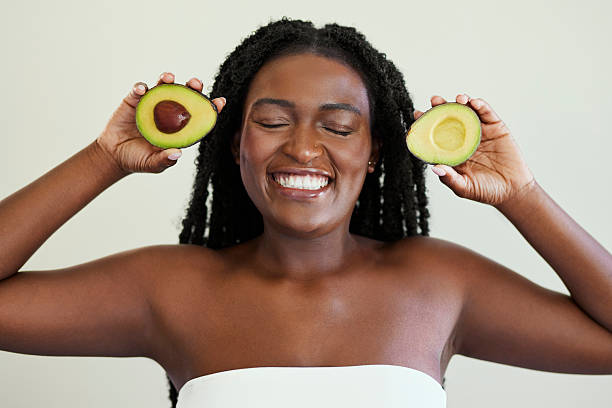
You can buy every serum, cream, and overnight mask on the shelf, but the habit that quietly does a lot of heavy lifting for your skin is the one you practice with a fork. It is not exotic, expensive, or complicated. It is putting more color on your plate. Not because color is magic, but because brightly colored produce gives your body the everyday tools it needs to keep skin looking plump, even, and rested. Think of it as feeding your face from the inside, one meal at a time.
Here is the honest version: your skin is busy all day and all night, repairing itself from sun, stress, and the ordinary wear and tear of being alive. It needs a steady supply of good stuff to do that work. Colorful fruits and vegetables—red peppers, tomatoes, carrots, sweet potatoes, spinach, berries, citrus, red cabbage, squash, and whatever looks good at the market—tend to carry more of the helpful compounds your body uses to protect and maintain skin. You do not need to memorize a chart or turn dinner into a science project. You just need more variety than you had yesterday.
Most of us fall into beige eating without noticing. Toast, pasta, crackers, coffee, a granola bar, then something rushed at dinner. It is not a moral failure; it is a Tuesday. But if your meals are mostly one color, your skin is mostly getting one narrow set of supplies. The fix is not a cleanse or a powder. It is adding color where you already eat. Breakfast is the easiest place to start. Toss berries into yogurt, fold spinach into eggs, add tomato to toast, or blend frozen berries and a handful of greens into a smoothie you actually like. Keep frozen produce on hand. It is just as useful as fresh, and it does not turn into a sad puddle in your crisper drawer.
At lunch, make half your plate produce. That can be a bagged salad with chickpeas, leftover roasted peppers, carrot sticks with hummus, an apple with peanut butter, or a bowl of soup with extra vegetables stirred in. At dinner, think color first: stir-fry with broccoli and peppers, sheet-pan chicken with sweet potato and Brussels sprouts, tacos with cabbage and salsa, pasta with tomatoes and spinach. For a snack, pair fruit with nuts or yogurt. The pairing matters less because of rules and more because steady energy helps you avoid the 4 p.m. crash that sends you straight to the office candy jar.
One important reality check: colorful produce supports your skin, but it does not replace sunscreen. If you want fewer wrinkles and a more even-looking complexion, daily sunscreen is non-negotiable. Produce is the backup singer, not the lead. Also, do not turn juice into your main strategy. Whole produce gives you chew and fullness; juice can be a nice occasional extra, but it should not crowd out actual meals. Smoothies are fine, but drink them with a meal or as a meal, not as a bottomless sipper all afternoon.
Keep the plan simple enough to repeat. Pick three colors at lunch and dinner. Add one new color each week—purple cabbage, orange squash, red grapefruit, yellow peppers. Buy pre-cut vegetables if that is what makes them happen. Put a bowl of fruit where you see it and cut veggies in the front of the fridge. Your skin does not care about perfect. It cares about patterns. A few weeks of more color, enough protein, healthy fats, water, sleep, and sunscreen will do more than a frantic Sunday of green juice.
You will not wake up tomorrow with different skin. That is not how this works. But over time, the woman who eats color consistently tends to look less dull, less tired, and more like herself. Every meal is a small chance to support the skin you have for the long haul. No drama, no detox, no expensive miracle. Just more color, more often.