You’ve been doing everything right. You moisturize morning and night, drink plenty of water, and even spritz that facial mist throughout the day. Yet those fine lines across your forehead or under your eyes keep making an appearance, especially by late afternoon. The frustrating part? They’re not wrinkles. They’re dehydration lines, and they don’t behave the way you might think. They also don’t care how much water you drink or how rich your cream is.
Dehydration lines happen when the outermost layers of your skin lack water, which causes the skin to shrivel and crease. Picture a grape. When it’s full of water, it’s smooth and plump. Let it sit out for a few hours, and it starts to wrinkle. That’s exactly what’s happening to your face. The good news is that unlike true wrinkles caused by sun damage or collagen loss, these lines are temporary. You can smooth them out in a matter of days, but only if you stop thinking about “moisture” as a one-size-fits-all solution.
Here’s the key distinction: dry skin and dehydrated skin are not the same thing. Dry skin is a skin type. It means your skin doesn’t produce enough oil, leaving it flaky and rough. Dehydrated skin is a condition. It means your skin’s water content is low, and it can happen to anyone, even oily-skinned people. In fact, oily skin can be dehydrated because the skin is producing extra oil to compensate for the lack of water. If you treat dehydrated skin with heavy creams and oils, you’re just sealing in a problem. There’s no water to trap, so you end up with that tight, uncomfortable feeling and maybe even more breakouts.
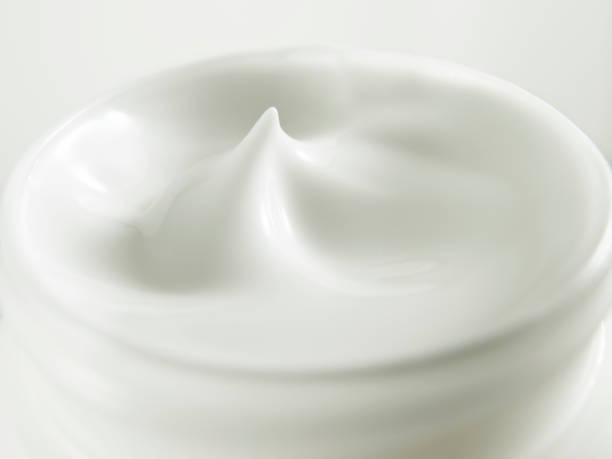
So how do you actually hydrate those lines away? First, stop obsessing over drinking water. Yes, hydration internally matters, but your skin is the last organ to benefit from what you drink. The water you consume goes to your blood, organs, and cells before your epidermis gets a drop. That’s why you can chug a liter and still have crepey under-eyes an hour later. What works faster is applying hydration directly to your skin using ingredients called humectants. They act like magnets for water, pulling it into the outer layers of your skin. And you don’t need to decode chemistry labels to find them. Look for glycerin, honey, aloe vera, or hyaluronic acid. These show up in most drugstore serums and moisturizers.
The trick, though, is applying them to damp skin. This is the single most overlooked step. After you wash your face, don’t reach for the towel. Leave a few drops of water on your skin, then apply your hydrating serum or moisturizer. The humectants will grab that water and pull it into your skin cells. If you apply to bone-dry skin, you’re forcing those ingredients to pull moisture from deeper layers, which can actually make you feel more dehydrated. So make a habit of going from cleanser to product while your skin is still dewy.
You also need to adjust your cleansing routine. Harsh foaming cleansers that make your skin squeaky clean are stripping away your natural lipids, which are the same lipids that keep water trapped inside. If you have xerotic skin, or just chronically dry-feeling skin, switch to a gentle gel or milk cleanser. And don’t underestimate your shower. Hot water breaks down the skin barrier faster than almost anything else. Keep your face out of the direct stream, and use lukewarm water instead.
Another quick fix? Use a humidifier in your bedroom. Your skin is a sponge. If the air is dry, it will pull moisture out of your skin and evaporate it into the air. That’s why dehydration lines look worse in winter, on airplanes, or in air-conditioned offices. A simple bedside humidifier can add enough moisture to the air to keep your skin from losing so much overnight.
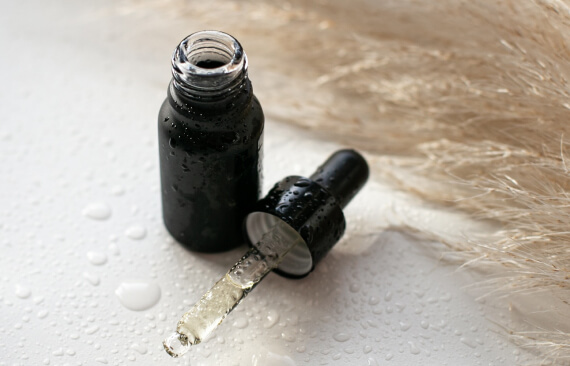
If you’re dealing with persistent lines around your eyes or mouth, try a “water sandwich” approach. Apply a hydrating toner or essence to damp skin, then add a few drops of facial oil, then finish with a sealing moisturizer. The toner brings water in, the oil holds it like a barrier, and the moisturizer keeps everything locked down. It sounds like a lot, but it only takes an extra minute. Many women find that this layered approach makes the most visible difference on stubborn dehydration lines within a week.
One more thing: pay attention to when your lines appear. If they’re worse in the afternoon or after a bad night’s sleep, that’s a signal your skin is thirsty. If they go away completely after a weekend of consistent moisturizing, you’re on the right track. If they stick around no matter what, they might be turning into actual wrinkles, and that’s when you need to add sunscreen and retinoids (or a good retinol cream) to your routine. But for now, treat those lines as the warning sign they are. Your skin is asking for a real drink – not another dollop of lotion on a dry face. Give it the water it needs, in the right order, and you’ll see the difference quickly.