The daily or weekly ritual of shaving is a cornerstone of personal grooming for millions, primarily undertaken to achieve smooth, hair-free skin. In the pursuit of this aesthetic, concerns often arise about potential side effects, with one recurring question being whether the act of shaving itself can contribute to the formation of wrinkles on the legs. While shaving can undoubtedly impact the skin’s condition, dermatological science suggests that it is not a direct cause of true wrinkles. However, the process can create an environment and cause superficial damage that may accentuate the appearance of aging or lead to skin changes that mimic wrinkling.
To understand this distinction, it is crucial to define what a wrinkle is. True wrinkles, or rhytides, are permanent creases in the skin resulting from the breakdown of collagen and elastin fibers within the dermis, the skin’s deeper layer. This breakdown is primarily driven by intrinsic factors like genetics and the natural aging process, and extrinsic factors, most significantly cumulative sun exposure (photoaging). Shaving, by contrast, is a surface-level activity. The razor blade interacts only with the outermost layer of the epidermis, the stratum corneum, and the hair shaft. It does not reach or directly damage the dermal structures responsible for skin’s elasticity and support. Therefore, shaving does not instigate the biological process of wrinkle formation.
Nevertheless, to dismiss shaving’s impact entirely would be misleading. The practice can contribute to skin conditions that make legs look older, less smooth, and more creased. The most significant culprit is dehydration. Shaving is inherently exfoliating, stripping away not just hair but also a layer of dead skin cells and, crucially, natural oils. This compromises the skin’s barrier function, leading to transepidermal water loss. Chronically dry, dehydrated skin lacks plumpness and can appear flaky, crepey, and finely lined—a state often mistaken for wrinkling. This is particularly evident on the shins, where skin is naturally thinner and oil glands are fewer.
Furthermore, improper shaving technique inflicts micro-trauma that exacerbates these issues. Using dull blades, shaving without lubrication, applying excessive pressure, or shaving against the grain can cause microscopic nicks, inflammation, and irritation. This repeated trauma can lead to a rough skin texture, hyperpigmentation (dark spots from healed irritation), and a compromised barrier that struggles to retain moisture. The cumulative effect is skin that looks weathered and lacks the smooth, uniform surface of healthy, well-hydrated skin, thereby making any naturally occurring fine lines more visible.
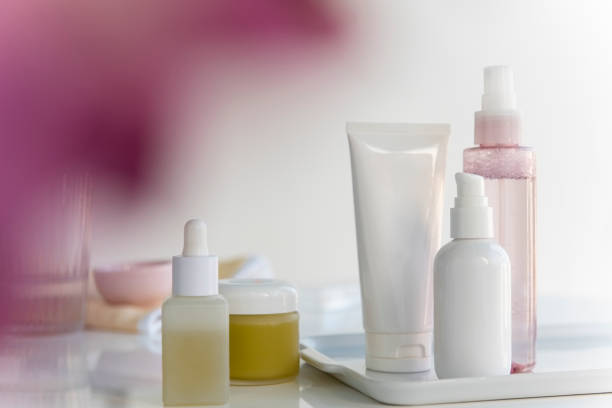
The solution, therefore, lies not in abandoning shaving but in transforming it into a supportive skincare practice. Prioritizing hydration is paramount. Using a moisturizing shave gel or cream creates a protective buffer and allows the razor to glide smoothly. Following every shave with a generous application of a fragrance-free moisturizer, ideally containing humectants like hyaluronic acid or glycerin and occlusives like shea butter or ceramides, helps to immediately repair the barrier and seal in moisture. Regular, gentle exfoliation between shaves with a chemical exfoliant like lactic acid can prevent ingrown hairs and promote cell turnover without the physical abrasion of a razor, contributing to a smoother appearance. Finally, since sun exposure is the leading cause of true skin aging, applying sunscreen to the legs when exposed is the single most effective action to prevent actual wrinkles and maintain skin health.
In conclusion, while shaving is not a direct causative agent for wrinkles in the way that sun damage or genetics are, it can be a contributing factor to skin that appears prematurely aged. Through the mechanisms of dehydration, barrier impairment, and irritation, poor shaving habits can lead to dryness, texture issues, and crepiness that mimic and accentuate fine lines. By adopting a mindful shaving routine centered on lubrication, sharp tools, and, most importantly, intensive and consistent moisturization and sun protection, one can achieve the desired smoothness without sacrificing the long-term health and youthful appearance of the skin on their legs.