You know the drill by now. Your face flushes at the mere suggestion of a new cleanser. A weather change makes your cheeks feel like sandpaper. And every anti-aging cream you’ve tried leaves you red, itchy, or dotted with tiny bumps. Meanwhile, the wrinkle-prevention chatter out there sounds like torture: strong retinoids, peels, scrubs, all designed for skin that can take a beating. If you’ve got sensitive skin, you’ve probably concluded that fighting lines just isn’t in the cards for you. And that’s exactly where you’d be wrong. The real secret to keeping facial wrinkles at bay when your skin is easily irritated isn’t about doing more. It’s about doing less, and doing it smarter. It’s about repairing the part of your skin that acts like a gatekeeper: the outer layer that decides what gets in and what stays out.
Think of this outer layer as your skin’s natural security guard. When it’s healthy and intact, it holds moisture inside your cells where it belongs, keeps pollution and bacteria out, and quietly sends a message to your deeper skin layers that everything is calm. That calm matters more than you think. When your skin feels irritated, its internal alarm system goes off. Blood vessels dilate. Immune cells rush to the scene. And that whole ruckus, known in ordinary words as inflammation, produces enzymes that break down collagen and elastin, the very proteins that keep your face plump and smooth. So every time you slap on a harsh product and get that familiar sting, you’re not just having an annoying day. You’re actively digging a deeper wrinkle. For sensitive skin, irritation is the number one enemy of youth. Fixing the gatekeeper solves both problems at once: fewer irritation alarms, and far less collagen loss over time.
How do you repair that natural shield without a dermatology degree? Start by ditching anything that leaves your face feeling tight, squeaky, or stripped. That tight feeling is your skin crying out because protective oils have been washed away. Instead of a foamy gel cleanser, reach for a creamy or milky formula that dissolves dirt and makeup without much friction. Splash it on with lukewarm water, not hot. Hot water opens up your pores wide and pulls out even more moisture. Cold water doesn’t clean well, and ice dips are a TikTok myth you can skip. Lukewarm is your new best friend.
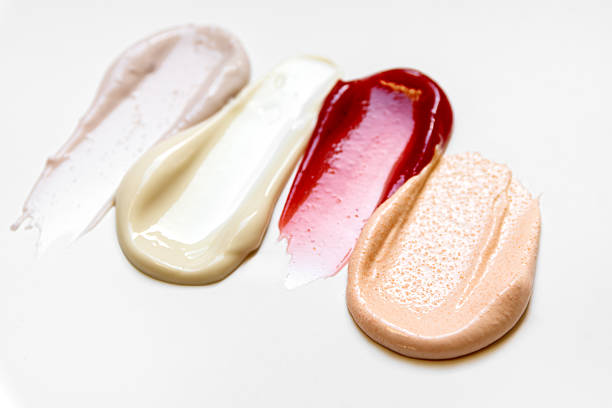
Next comes the step most people miss: adding back what the day took out. Look for a moisturizer that lists ceramides in its ingredients. Don’t let that scientific name scare you. Think of ceramides as the mortar between your skin’s bricks. When your skin barrier is intact, these ceramides are plentiful. When you’ve over-cleansed, over-exfoliated, or just been out in the wind, they get depleted. A decent ceramide moisturizer will fill in those gaps, kind of like repointing a brick wall so water can’t sneak in and freeze. Apply it while your skin is still slightly damp to lock in that extra water. If a plain moisturizer isn’t enough, layer a thin jelly-like hydrating serum underneath. Don’t go for heavy creams loaded with fragrance or essential oils. Your sensitive skin reads those as an invitation for trouble. Unscented, basic, and bland is genuinely beautiful.
Now let’s talk about the two steps sensitive skin cares about most with wrinkles. First, sunscreen. This one is non-negotiable. Sun damage breaks down collagen faster than any harsh product ever will. And yes, many chemical sunscreens can make your face feel like it’s on fire. That’s because they absorb UV light and convert it to heat, which is exactly what reactive skin hates. Choose a mineral sunscreen with zinc oxide as its main ingredient. It sits on top of your skin and reflects rays away, no heating involved. Apply it every morning, even when you’re indoors. Window glass doesn’t block all UVA rays. The best wrinkle prevention for sensitive skin is simply a tube of zinc that you actually use daily.
Second, revisit your idea of exfoliation. Chances are, if you have sensitive skin, you’ve been told to exfoliate to keep your glow. But scrubbing with gritty beads or using strong acids is like trying to clean a silk blouse with steel wool. You will get rid of dead skin, but you’ll also damage the living layer underneath, triggering defensive inflammation and, again, collagen breakdown. For sensitive skin, skip physical scrubs entirely. If you want to gently smooth things out, use a soft washcloth and your creamy cleanser, moving in tiny circles for just ten seconds. That’s it. Better yet, let your skin do its own shedding. Dead cells naturally fall off every few weeks if you keep your barrier moisturized. The longer you stop assaulting your face, the more your skin remembers how to renew itself calmly.
Finally, give it time. Sensitive skin doesn’t cooperate with overnight transformations. But it rewards patience. After about six weeks of this gentle routine, you’ll notice fewer red patches, less tightness, and a more even texture. Those improvements mean your skin is finally calm enough to hold onto its collagen. And that calmness is what keeps fine lines from turning into deep grooves. Wrinkle prevention isn’t a battle against your sensitive skin. It’s a truce. Stop treating your face like a mistake and start treating it like a fragile, valuable piece of fabric. Wash it softly, reseal its edges, protect it from the sun, and leave it alone. That’s not a compromise. That’s actually the most effective anti-aging plan out there. And it’s one your skin will happily cooperate with, no tears required.